


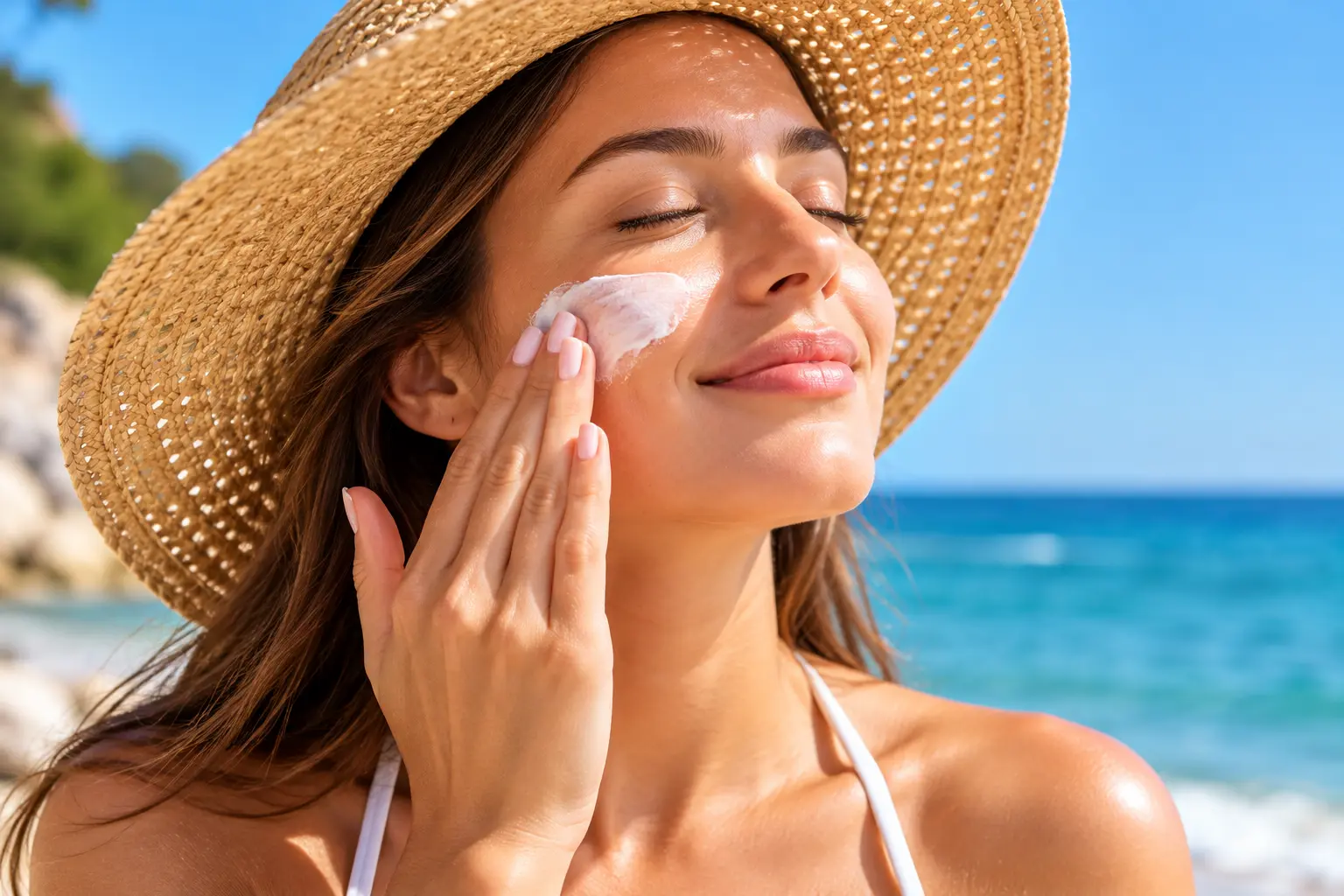
Make Sunscreen a Daily Habit for Better Skin Protection
Sunscreen habits can help protect your skin from ultraviolet (UV) radiation during everyday activities. Whether you walk to work, spend time outdoors, run errands or enjoy a weekend outside, your skin may receive UV exposure without you noticing it. Building good sunscreen habits as part of your morning routine can help reduce the effects of sun exposure over time.
Sun protection is not only important during summer holidays or at the beach. UV rays can reach the skin throughout the year, including on cloudy days. According to the Centers for Disease Control and Prevention, protecting your skin from excessive UV exposure can help lower the risk of skin cancer. It can also help reduce sunburn and premature skin aging.
The good news is that you do not need a complicated routine. Choosing an appropriate sunscreen, applying enough of it and remembering to reapply it when necessary are practical steps that can make skin protection easier to maintain.
Why Healthy Sunscreen Habits Matter
Sunlight contains ultraviolet radiation, including UVA and UVB rays. Both types can damage the skin, although they affect it in different ways. UVA rays contribute to premature skin aging, while UVB rays play a major role in sunburn.
Repeated exposure to UV radiation can gradually damage skin cells. Over time, this damage can contribute to wrinkles, uneven skin tone, age spots and an increased risk of skin cancer. These effects can develop even when a person does not experience an obvious sunburn after every period outdoors. Sunscreen helps reduce the amount of UV radiation that reaches the skin when you apply it correctly. However, no sunscreen blocks every UV ray, so it works best alongside other protective measures, such as seeking shade and wearing suitable clothing.
The American Academy of Dermatology recommends choosing a sunscreen with broad-spectrum protection, an SPF of 30 or higher and water resistance.
How to Choose the Right Sunscreen for Healthy Skin
Building good sunscreen habits does not have to be complicated. Instead of focusing only on the brand, price or SPF number, check the information on the product label.
Look for these three features:
-Broad-spectrum protection: This helps protect against both UVA and UVB rays.
-SPF 30 or higher: SPF measures protection against sunburn from UVB radiation. Higher SPF numbers offer somewhat greater protection, but no product blocks all UV rays.
-Water resistance: This is useful when you expect to sweat or spend time in water. Check the label to see whether the product provides 40 or 80 minutes of water resistance.
Choosing a comfortable formula can make sunscreen habits easier to maintain. Some people prefer a lightweight lotion, while others find a cream or gel easier to apply. If a product feels unpleasant or leaves a finish you dislike, you may be less likely to use it consistently.
People with sensitive skin can look for products designed for their needs and check the ingredient list. If a sunscreen causes persistent irritation or a rash, stop using it and seek professional advice if the reaction continues.
You do not need several different products to begin. One suitable sunscreen that you can apply consistently is a practical starting point.
How to Apply Sunscreen and Build Healthy Sunscreen Habits
The amount of sunscreen you apply matters because using too little can reduce the protection you receive. Even a product with a high SPF may provide less protection than expected when you apply only a thin layer. Apply sunscreen to exposed skin before going outdoors, following the directions on the product label. Remember areas that people commonly miss, such as the ears, neck, hairline, backs of the hands and tops of the feet.
For the face, apply the product evenly over the skin and pay attention to the areas around the nose and along the hairline. Use a separate lip product with sun protection when appropriate.
The American Academy of Dermatology’s sunscreen application guidance recommends applying sunscreen before outdoor exposure and reapplying it approximately every two hours while outdoors, as well as after swimming or sweating.
Sunscreen should not be treated as permission to remain in direct sunlight for unlimited periods. Combine it with shade, protective clothing and other sensible precautions.
Simple Sunscreen Habits for Everyday Skin Protection
One of the easiest ways to maintain healthy sunscreen habits is to connect it with something you already do. For example, you can keep sunscreen near your other morning skincare products so you see it when getting ready. After washing your face and applying your usual skincare products, follow the product instructions for applying sunscreen. If you wear makeup, choose an order that works with the instructions for your skincare and sunscreen products.
Keep a reminder on your phone if you regularly forget to apply sunscreen before leaving home. You can also store a suitable product in your bag so that you have it available when you need to reapply it outdoors.
Consistency matters more than creating an elaborate routine. A practical habit that fits naturally into your morning is easier to maintain than one that requires many extra steps.
If you already follow an evening routine, you can also explore our guide to a simple self-care routine for ideas on building manageable habits into everyday life.
Does Daily Sunscreen Use Matter on Cloudy Days?
Yes. Clouds do not block all UV radiation, so your skin can still receive UV exposure when the sky looks grey or overcast. Cooler temperatures also do not automatically mean that UV exposure is low.
The CDC’s sun safety guidance explains that UV rays can reach people on cloudy and cool days and can reflect off surfaces such as water, sand, concrete and snow. Your need for sun protection depends on factors such as the UV Index, the time you spend outdoors, the season and your surroundings. Checking the local UV Index can help you decide when to take additional precautions.
You do not need to panic about every brief trip outside. Instead, make sun protection part of your normal routine and adjust your precautions to the conditions and the amount of time you expect to spend outdoors.
Daily Sunscreen Habits for Long-Term Skin Protection
Even people who own sunscreen may not get the protection they expect if they use it incorrectly. A few practical changes can make the routine more effective.
Applying too little: A thin layer may not provide the protection stated on the label. Apply an even, generous amount according to the product instructions.
Forgetting to reapply: Sunscreen gradually wears off, particularly with sweating, swimming or towel drying. Reapply approximately every two hours when outdoors and follow the product’s water-resistance instructions.
Protecting only the face: The neck, ears, hands and other exposed areas also receive UV exposure. Cover all exposed skin that the product is suitable for.
Using sunscreen only during summer: UV exposure occurs throughout the year. Consider the UV Index and your outdoor activities rather than relying only on the temperature.
Relying on sunscreen alone: Sunscreen is only one part of sun protection. Wear suitable clothing, use sunglasses that block UVA and UVB rays, and seek shade when appropriate.
Keeping an old product indefinitely: Check the expiration date and follow storage instructions. Replace expired sunscreen or a product that has changed in appearance or consistency.

Daily Sunscreen Use and Different Skin Types
People have different skin tones and may notice different effects from sun exposure, but everyone can experience UV-related skin damage. A person’s natural skin tone does not remove the need for sensible sun protection. If your skin is prone to dryness, a moisturizing sunscreen may be comfortable to use. If your skin tends to feel oily, you may prefer a lighter formula. Those who experience irritation can ask a pharmacist or dermatologist about suitable options.
People who already have visible signs of sun damage or concerns about changing spots should not rely on sunscreen alone. A healthcare professional can assess changes and recommend appropriate care.
Sun protection also complements other healthy aging habits. You can read more about maintaining mobility and everyday well-being in our guide to healthy aging.
How to Build Healthy Sunscreen Habits
Sunscreen habits work best when it fit your normal schedule. You do not need to purchase a large collection of skincare products or spend a long time preparing each morning. Start by placing sunscreen somewhere visible, such as next to your moisturizer or toothbrush. Choose a formula that suits your skin and budget, and make sure you have enough product to apply it as directed.
If you are planning a day outdoors, prepare ahead by packing sunscreen, a hat and sunglasses. When you know that swimming or sweating will be part of your day, check the product’s instructions and plan to reapply it as needed.
You can also combine sun protection with other manageable habits, such as regular movement and adequate sleep. Our article about healthy habits explores how small actions can become part of a more consistent routine.
The goal is not perfection. It is to make a useful protective habit easy enough to repeat.
Frequently Asked Questions About Daily Sunscreen Use
Should I apply sunscreen every morning?
Applying sunscreen before expected outdoor exposure is a useful habit, and daily use can help protect skin when UV exposure occurs. Consider the UV Index, your activities and the advice on the product label when deciding how to maintain protection throughout the day.
Is SPF 30 enough for everyday activities?
Broad-spectrum SPF 30 or higher is a common dermatological recommendation. However, protection also depends on applying enough product, reapplying it when necessary and combining it with shade and protective clothing.
Do I need sunscreen when it is cloudy?
Yes, UV rays can pass through clouds. Sun protection can still be useful on cloudy days, particularly when you spend time outdoors.
How often should I reapply sunscreen?
When outdoors, reapply approximately every two hours and after swimming or sweating, following the instructions on the product label. Water-resistant products provide protection for a limited period, not indefinitely.
Can sunscreen replace a hat or shade?
No. Sunscreen works best as part of a broader approach to sun protection. Clothing, hats, sunglasses and shade help reduce exposure as well.
Can I use sunscreen if I have sensitive skin?
Many sunscreens are designed for sensitive skin, but individual reactions vary. Check the ingredients and consider asking a healthcare professional for advice if you experience persistent irritation.
Final Thoughts
Daily sunscreen use is a straightforward habit that can help reduce the effects of UV exposure and support long-term skin health. Choosing broad-spectrum SPF 30 or higher, applying enough product and reapplying it when necessary are practical steps that make a difference.
You can make the routine easier by keeping sunscreen where you get ready each morning and preparing for outdoor activities in advance. Remember that sunscreen works best alongside shade, protective clothing and other sensible precautions.
Small, repeatable actions make healthy sunscreen habits easier to maintain. Protecting your skin is one practical step you can include in your everyday routine.
Disclaimer: This article provides general educational information and does not replace personalized medical advice. If you have a skin condition, experience a reaction to sunscreen or notice a changing skin spot, consult a qualified healthcare professional.