


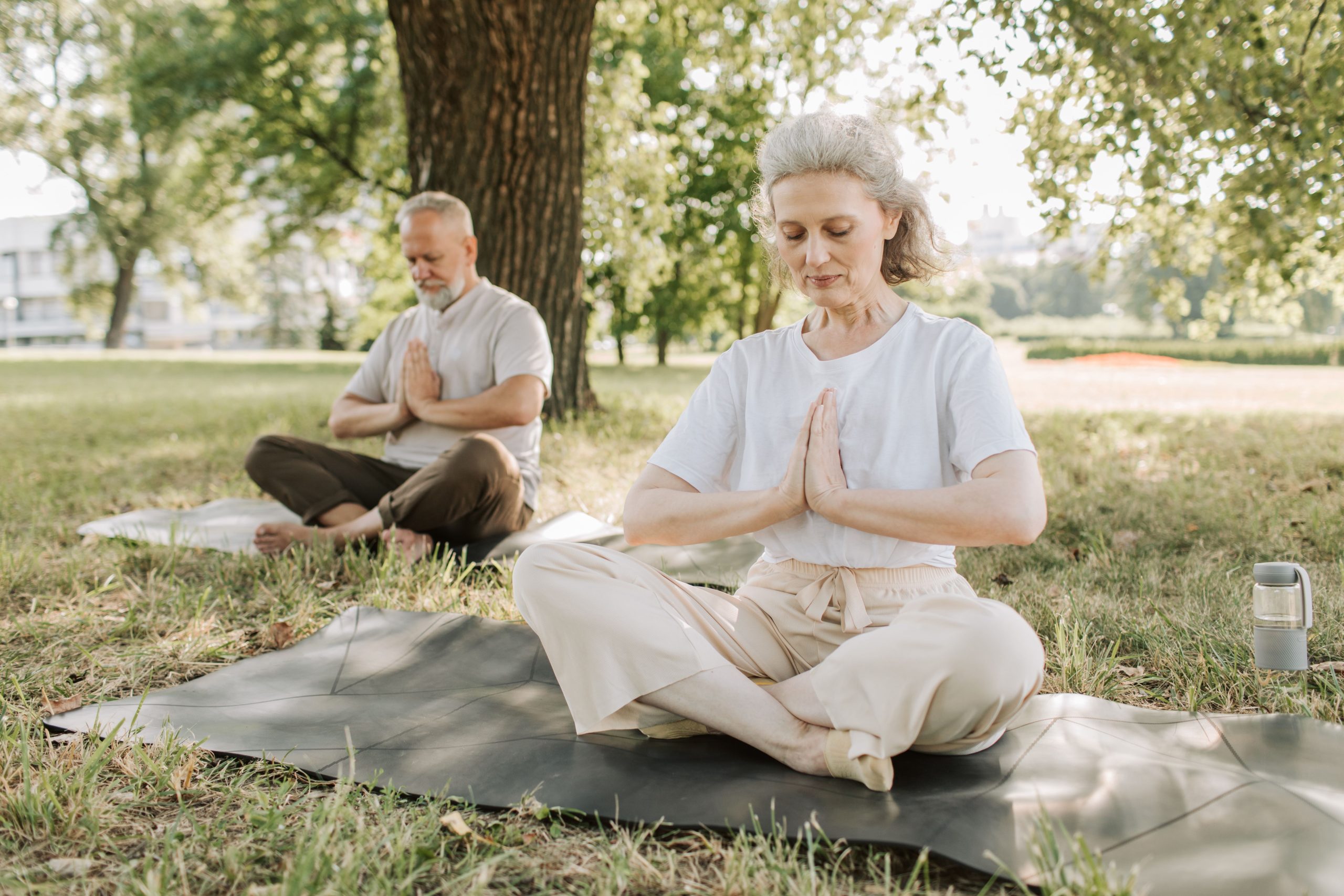

Mindfulness is a simple practice that encourages you to pay attention to what is happening in the present. Instead of constantly thinking about yesterday or planning what comes next, you learn to notice your current thoughts, feelings, surroundings and physical sensations.
Mindfulness can be practiced almost anywhere. You can use it while walking, eating, drinking tea, working or simply sitting quietly for a few minutes. The aim is not to make your mind completely empty, but to become more aware of where your attention is.
What Is Mindfulness?
Mindfulness involves deliberately directing your attention toward the experience you are having at a particular moment.
For example, when you drink a cup of tea, you can notice its aroma, warmth, flavor and texture instead of consuming it automatically while looking at your phone. When walking outside, you can observe your steps, breathing, sounds and surroundings.
Your thoughts may still appear during the practice. Rather than trying to push them away, simply notice them and gently bring your attention back to the present.
Why Mindfulness Can Be Helpful
Daily life can be filled with messages, responsibilities, deadlines and constant distractions. As a result, many people move from one task to another without giving themselves much time to pause.
Mindfulness offers a simple opportunity to slow down and become more aware of your experience. Mindfulness-based approaches may help some people manage aspects of stress and emotional well-being, although their effects can differ from person to person. World Health Organization – Stress management techniques
It is best considered a supportive self-care practice rather than a substitute for professional medical or mental health care.
1. Begin With a Few Mindful Breaths
Breathing is always available, which makes it a convenient starting point.
Find a comfortable position and pay attention to the natural movement of your breath. Notice the sensation as you breathe in and out without trying to control every breath.
Your concentration may drift toward other thoughts. When that happens, recognize it and calmly return your attention to breathing.
The purpose is not perfect concentration. Each time you notice your attention has wandered and bring it back, you are practicing mindfulness.
2. Turn an Ordinary Walk Into Mindfulness Practice
A walk can become an opportunity to reconnect with your surroundings.
Instead of focusing entirely on your phone or your thoughts, notice how your feet move and how your body feels as you walk. Observe the sounds, temperature, smells and sights around you.
You can practice this for a few minutes during a normal walk. There is no special location or equipment required.
3. Bring More Awareness to Your Meals
Eating is another everyday activity that can be approached mindfully.
Before taking your first bite, notice the appearance and smell of your food. As you eat, pay attention to its texture, temperature and flavor.
Try to slow down rather than rushing through the meal. Putting your phone away for a short time can make it easier to concentrate on the food and recognize how you feel while eating.
Mindful eating is not a diet. It is simply a way of becoming more attentive during meals.
4. Take a Short Pause During the Day
Mindfulness does not have to involve a long session.
Choose a small part of your day when you can pause without distractions. Sit comfortably, notice your breathing and become aware of how your body feels.
You might do this after finishing a task, before lunch or during an afternoon break. A short practice that fits naturally into your schedule can be easier to repeat.
5. Observe Thoughts Instead of Chasing Them
Having a busy mind does not mean you are doing mindfulness incorrectly.
Thoughts about work, family, plans and everyday concerns will naturally appear. When you notice one, acknowledge it without trying to solve it immediately.
Then gently return your attention to your breathing, body or surroundings. With regular practice, this can help you recognize when your attention has moved away from the present.
6. Use Mindfulness When You Feel Stressed

Stress can affect both your thoughts and your body. Learning simple ways to respond to stressful moments may support overall well-being. World Health Organization – Stress
When you notice tension building, give yourself a brief pause. Take several comfortable breaths and pay attention to what you are experiencing.
You might identify the feeling without judging it: perhaps you are tense, frustrated, worried or simply tired. Recognizing the experience can create a moment between the feeling and your response.
If stress is persistent, severe or interfering with everyday life, professional support may be appropriate.
7. Give Your Attention a Break From Screens
Digital devices can make it difficult to remain focused on one experience.
Instead of constantly checking notifications, choose a few moments when your phone can stay out of reach. You might do this while having breakfast, taking a walk or talking with someone.
Try setting aside a short screen-free period that feels realistic for you. The purpose is not to avoid technology, but to give your attention a chance to settle on what you are actually doing.
8. Add Mindfulness to Your Evening Routine
The evening can provide a natural opportunity to slow your pace.
Before bedtime, spend a few quiet minutes noticing your breathing and relaxing your attention. You could also reflect on something positive from your day or simply sit without checking messages.
Keeping this practice simple can make it easier to repeat. You do not need a special environment or a lengthy routine.
Simple Mindfulness Exercises to Try
There are many easy ways to introduce mindfulness into an ordinary day:
- Notice your breathing for a few minutes.
- Pay attention to your surroundings during a walk.
- Eat one meal without looking at a screen.
- Listen carefully to the sounds around you.
- Observe how your body feels while sitting quietly.
- Put your phone away during one daily activity.
- Notice a thought without immediately following it.
- Take a quiet pause before responding to a stressful situation.
Choose one exercise that feels comfortable instead of trying to practice everything at once.
How to Build a Mindfulness Habit
A realistic routine is usually easier to maintain than an ambitious one.
Start with a few minutes and choose a consistent point in your day. You could practice after waking up, during a lunch break or before going to bed.
Another useful approach is to connect mindfulness with an existing habit. For example, you can spend a minute focusing on your breathing after brushing your teeth or before starting work.
If you miss a day, simply continue the next day. Mindfulness is a practice, not a test that you have to pass.
Frequently Asked Questions About Mindfulness
What does mindfulness mean in simple terms?
Mindfulness means intentionally paying attention to the present experience. This can include noticing your thoughts, emotions, physical sensations and surroundings without immediately judging or reacting to them.
How much time should I spend practicing mindfulness?
There is no universal time requirement. If you are new to mindfulness, starting with a few minutes may be enough. You can gradually increase the time if the practice feels useful and comfortable.
Can mindfulness help with everyday stress?
Mindfulness-based techniques may help some people manage aspects of stress. However, individual responses vary, and mindfulness should not replace professional treatment when someone is experiencing significant mental or physical health concerns.
Can walking be a mindfulness exercise?
Yes. Walking can provide an opportunity to focus on your movement, breathing and surroundings. You can practice for a few minutes during an ordinary walk without needing any special equipment.
Do I need meditation to practice mindfulness?
No. Meditation is one method of developing mindfulness, but mindful attention can also be included in everyday activities such as eating, walking, drinking tea, cooking or having a conversation.
Final Thoughts
Mindfulness is not about stopping every thought or creating a perfectly calm mind. It is about becoming more aware of what is happening while it is happening.
Start with something small. Take a few mindful breaths, enjoy a meal without distractions or pay closer attention during your next walk. With regular practice, these simple moments can become a natural part of your daily routine.
Disclaimer: This article is for general informational purposes only and does not replace professional medical advice, diagnosis or treatment.