




Healthy aging does not mean that losing balance has to become an unavoidable part of everyday life. Balance can change with age, but regular movement and appropriate exercises can help you stay mobile and confident.
For older adults, balance work is one part of a broader physical activity routine. Current CDC guidance recommends that adults aged 65 and older include balance activities together with aerobic and muscle-strengthening exercise. CDC
This article focuses on one practical subject: simple balance exercises that can be practiced safely at home.
Why Healthy Aging Includes Better Balance
Balance is something you use throughout the day without thinking about it. You need it when standing up, turning, stepping over an object or changing direction while walking.
Good balance depends on your ability to control your body while it is either still or moving. Strength in the legs and trunk can also contribute to better stability.
The aim is not to become an expert at difficult exercises. Instead, simple movements can give you an opportunity to practice control and coordination regularly.
Physical activity is also associated with maintaining independence and physical function as people get older. CDC
1. Healthy Aging Starts With a Safe Setup
Before practicing balance exercises, look around the area where you will exercise.
Choose a flat floor with enough room to move. Keep a strong chair, countertop or another stable object nearby. Remove anything that could get in your way, including loose mats, bags and cables.
Good lighting is also useful, particularly if you are exercising in the evening.
If you have frequent falls, significant dizziness, severe balance problems or a condition that affects your movement, talk to a healthcare professional before beginning a new exercise routine. CDC also recommends discussing individual fall risk and appropriate prevention strategies with a healthcare provider. CDC
2. Practice Weight Shifts Before Standing on One Leg
You do not need to begin with a challenging balance exercise.
Stand behind a sturdy chair and place your hands on it. Keep both feet comfortably apart.
Slowly move your body weight toward your right foot while keeping the left foot on the floor. Return to the middle, then shift toward the other side.
Repeat the movement several times without rushing.
This simple exercise teaches you to control where your weight is positioned. It can also be easier and more comfortable than immediately trying to stand on one foot.
Once the movement feels familiar, you can experiment with briefly lifting one heel or one foot while keeping the chair within reach.
3. Healthy Aging Can Include Supported Single-Leg Practice
Standing on one leg can be useful for working on balance, but safety comes first.
Hold the back of a sturdy chair with one or both hands. Shift your weight onto one leg and gently lift the opposite foot a small distance from the floor.
Hold the position briefly, then place the foot down.
Repeat on the other side.
There is no reason to compete with a timer. A few controlled seconds are enough when you are learning the movement.
Over time, you may become comfortable using less support. Do not remove the chair completely if you still feel unstable.
Standing on one leg is among the balance activities included in CDC guidance for older adults. CDC
4. Add Slow Heel-to-Toe Steps
Once basic weight shifting feels comfortable, you can add a walking exercise.
Stand near a wall or sturdy counter. Take a slow step forward and place the heel of the moving foot close to the toes of the other foot.
Then take another controlled step.
Keep your eyes forward and avoid turning your head while you are learning the movement.
You only need a few steps. The purpose is to practice staying controlled while your body is moving.
If you feel unstable, widen your stance and use the nearby support.
Heel-to-toe walking is one example of a balance activity listed by the CDC for older adults. CDC
5. Healthy Aging Requires More Than Balance Work
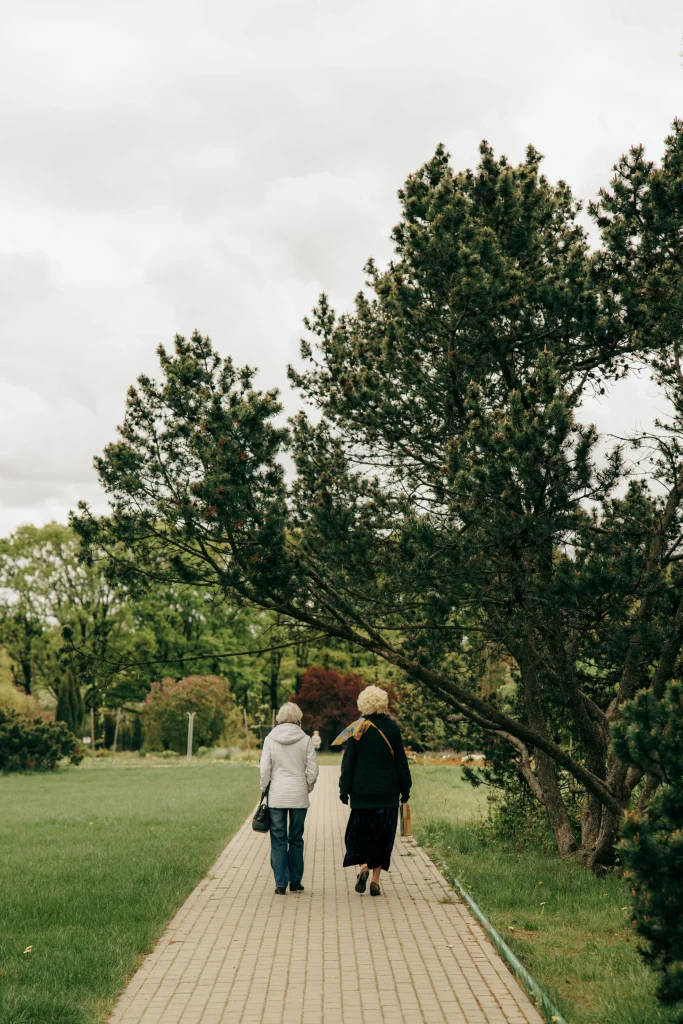
Balance exercises are useful, but they are only one piece of an active lifestyle.
For adults aged 65 and older, CDC guidance calls for a combination of weekly aerobic activity, muscle-strengthening work and balance activities. The aerobic target is at least 150 minutes of moderate activity per week for those who are able. CDC
That could include brisk walking, cycling, swimming or another activity that raises your breathing and heart rate.
Strength training matters too. Stronger legs and other major muscle groups can make everyday movements easier.
WHO recommends that older adults with poor mobility include activities that emphasize balance and help prevent falls on three or more days each week. World Health Organization
The right amount and type of activity depends on your abilities and health.
A Simple Balance Routine to Try at Home
You can keep the session short.
Begin with several gentle weight shifts while holding a chair. Then practice a few supported single-leg stands on each side.
After that, take several slow heel-to-toe steps near a stable surface.
Finish with ordinary walking around the room.
The movements should remain controlled throughout the routine. You should not feel that you are fighting to stay upright.
As your ability improves, a physiotherapist, doctor or qualified exercise professional can help you decide how to progress.
What If Balance Is Already Difficult?
Do not treat poor balance as a reason to attempt harder exercises without support.
Instead, make the exercise easier.
Hold the chair with both hands. Keep both feet on the floor for longer. Reduce the number of movements. Ask someone qualified to show you appropriate exercises if you are unsure what is suitable.
If you experience dizziness, pain, chest discomfort or unusual shortness of breath, stop exercising and seek appropriate medical advice.
For people with a history of falls, professional assessment can be particularly useful. Fall prevention can involve more than exercise, including reviewing medications, vision and the home environment. CDC
Healthy Aging Is About Keeping Everyday Movement Possible
Balance exercises are not about performing impressive movements.
Their real value is much more practical.
Being able to stand steadily, walk confidently and change direction safely can make everyday activities easier. Regular physical activity can also help older adults maintain independence for longer. CDC
Think about ordinary situations such as getting out of bed, walking to the kitchen, stepping into a shower or carrying something around the house. These movements all require some combination of strength, coordination and balance.
For broader ideas about staying active, see our Exercise & Fitness guide.
Frequently Asked Questions About Healthy Aging
How often should I practice balance exercises?
Balance activities should be included regularly as part of a broader exercise routine. WHO recommends balance-focused activity three or more days per week for older adults with poor mobility. World Health Organization
Is standing on one leg safe for everyone?
Not necessarily. If you have poor balance, begin with support from a sturdy chair or another stable surface. People with significant balance problems should consider professional guidance.
Can balance exercises help prevent falls?
Balance-focused physical activity can contribute to better physical function and fall prevention. It works best as part of a broader program that may include strength and aerobic exercise. CDC
Do I need special equipment?
No. A sturdy chair or countertop can provide support for many simple exercises. More advanced exercises may require different equipment or professional supervision.
Should older adults exercise if they have a chronic condition?
Many people with chronic conditions can benefit from physical activity, but the appropriate type and intensity can differ. WHO recommends adapting activity to a person’s abilities and health conditions. World Health Organization
Final Thoughts on Healthy Aging
Healthy aging is not about trying to stop the natural aging process. It is about protecting the abilities that help you remain active and independent.
Balance exercises offer one practical way to work on stability. Start with simple weight shifts, use support when necessary and gradually introduce more challenging movements as your control improves.
Combine balance work with walking and appropriate strength exercises, and make safety the priority throughout.
Small, regular efforts can be more useful than occasionally attempting a difficult workout.
Disclaimer: This article is for general educational purposes and does not replace medical advice. If you have frequent falls, dizziness, pain, significant mobility problems or a medical condition that affects exercise, consult a qualified healthcare professional before starting a new routine.