




Oral health plays an important role in everyday well-being. Your teeth, gums and mouth help you eat, speak and smile comfortably, while problems in the mouth can affect your quality of life.
Taking care of your mouth does not have to be complicated. A few consistent habits, combined with regular dental care, can help protect your teeth and gums throughout life.
Why Oral Health Matters
Good oral health is about more than having a bright smile. Common problems such as tooth decay and gum disease can cause pain, discomfort and difficulty eating if they are not treated.
Many oral health problems are preventable. Diet, tobacco use, oral hygiene and access to dental care can all influence your risk. World Health Organization
That makes everyday prevention an important part of a healthy lifestyle.
1. Brush Your Teeth Twice a Day
Regular toothbrushing is one of the most important habits for maintaining oral health.
Brush your teeth twice each day using fluoride toothpaste. Take enough time to clean the different surfaces of your teeth rather than brushing only the areas that are easiest to reach.
WHO recommends twice-daily brushing with fluoride toothpaste containing 1000–1500 ppm fluoride for prevention of tooth decay. World Health Organization
2. Clean Between Your Teeth
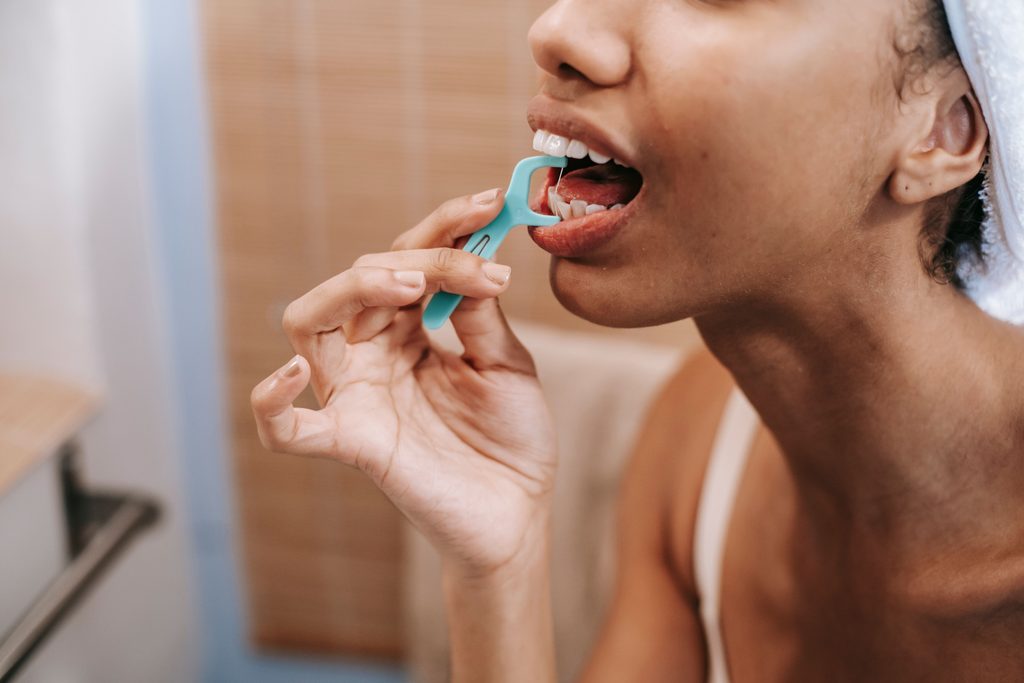
A toothbrush cannot always reach the spaces between your teeth.
Cleaning between the teeth can help remove food particles and plaque from areas that are difficult to reach with brushing alone. Dental floss or another interdental cleaning method may be useful depending on your needs.
If you are unsure which method is best for you, ask your dentist or dental hygienist for advice.
3. Be Careful With Sugary Foods and Drinks
The amount and frequency of free sugar consumption can influence the risk of tooth decay.
When plaque on the teeth interacts with sugars, acids can be produced that gradually damage tooth enamel. Frequent exposure to sugary foods and drinks can therefore increase the risk of cavities. World Health Organization
Try to make water your main everyday drink and keep sugary beverages and foods as occasional choices.
4. Drink More Water
Water is a simple choice that can support both hydration and your oral health routine.
Choosing water instead of sugary drinks can reduce your exposure to free sugars. Water can also be useful after meals when you want to rinse your mouth naturally.
If fluoridated drinking water is available in your area, it can also contribute to cavity prevention. CDC
5. Take Care of Your Gums
Healthy gums are an important part of good oral health.
Pay attention to changes such as persistent bleeding, swelling, tenderness or bad breath. Gum disease can develop gradually, and more advanced periodontal disease can damage the tissues and bone supporting the teeth. World Health Organization
Good daily cleaning and regular dental care can help identify problems before they become more serious.
6. Avoid Tobacco

Tobacco can harm the mouth as well as other parts of the body.
Smoking and other forms of tobacco use are associated with gum disease and are also important risk factors for oral cancer. World Health Organization
Avoiding tobacco is therefore one of the most valuable lifestyle choices you can make for your long-term oral health.
7. Make Dental Check-Ups Part of Your Routine
Even when your teeth feel fine, regular dental visits can be useful.
Some oral problems may not cause noticeable symptoms during their early stages. A dental professional can examine your teeth and gums, identify potential concerns and recommend appropriate treatment or preventive care.
CDC recommends regular dental check-ups and professional cleanings as part of oral disease prevention. CDC
8. Protect Your Teeth During Sports
Some activities can increase the risk of dental or facial injuries.
If you participate in contact sports or activities where falls or impacts are possible, appropriate protective equipment can help reduce the risk of injury.
A properly fitted mouthguard can provide additional protection during higher-risk activities. CDC
9. Pay Attention to Changes in Your Mouth
Do not ignore changes that remain for an extended period.
Persistent sores, unusual swelling, unexplained bleeding, changes in the appearance of oral tissues or difficulty eating or speaking should be assessed by an appropriate healthcare professional.
Early evaluation can be important because some oral conditions may progress before they become obvious.
A Simple Daily Routine for better Oral Health
A basic routine can be easy to maintain:
- Brush your teeth twice a day with fluoride toothpaste.
- Clean between your teeth regularly.
- Drink water throughout the day.
- Limit frequent consumption of sugary foods and drinks.
- Avoid tobacco products.
- Pay attention to changes in your gums and mouth.
- Protect your teeth during higher-risk sports.
- Attend regular dental appointments.
You do not need a complicated routine to take better care of your mouth. Consistency is more important than making oral care unnecessarily difficult.
Oral Health and Your Everyday Diet
What you eat and drink can influence your teeth.
A balanced diet with vegetables, fruit, whole grains and other nutritious foods can support general health, while limiting foods and drinks high in free sugars can help reduce the risk of tooth decay. WHO identifies high free-sugar consumption as one of the major modifiable risk factors for dental caries. World Health Organization
This does not mean that you can never enjoy something sweet. The bigger goal is to make nutritious choices the normal part of your eating pattern.
When Should You See a Dentist?
Make an appointment if you experience persistent tooth pain, gum swelling, repeated bleeding, sensitivity that does not improve, a damaged tooth or another unusual change in your mouth.
You should also follow the dental examination schedule recommended for your individual needs. Your age, dental history, existing conditions and risk factors can all influence how frequently you need professional care. Regular dental care is an important part of maintaining good oral health.
Frequently Asked Questions About Oral Health
How often should I brush my teeth?
For most people, brushing twice a day with fluoride toothpaste is an important part of daily oral care. World Health Organization
Is fluoride toothpaste important?
Yes. Fluoride helps prevent tooth decay and is an important part of effective everyday dental care. WHO recommends fluoride toothpaste as part of twice-daily brushing. Iris
Can sugary drinks damage teeth?
Frequent exposure to free sugars can increase the risk of tooth decay. Choosing water more often and limiting sugary drinks can help reduce this risk. World Health Organization
How can I protect my gums?
Brush regularly, clean between your teeth and arrange dental care when needed. If you notice persistent bleeding, swelling or other changes, discuss them with a dental professional.
Why are dental check-ups important?
A dental examination can identify problems that may not yet be causing obvious symptoms and can provide personalized advice about prevention and treatment. CDC
Final Thoughts
Good oral health is built through simple habits repeated every day.
Brush your teeth regularly, clean between them, choose water more often, limit sugary foods and drinks, avoid tobacco and keep up with professional dental care.
Looking after your mouth is an investment in your comfort, confidence and overall well-being.
Disclaimer: This article is for general informational purposes only and does not replace professional dental or medical advice, diagnosis or treatment.