


Vitamin D is one of the nutrients that can be difficult to obtain from food alone because relatively few foods naturally contain significant amounts of it. The body can also produce this nutrient when skin is exposed to sunlight, but the amount produced varies from person to person and depends on several factors. ODSI
Instead of thinking only about supplements, it is more useful to look at the different ways this nutrient can become part of your normal routine.
Why Vitamin D Matters for Your Body
Vitamin D helps the body absorb calcium, making it important for maintaining strong bones. It also has roles in normal muscle and nerve function. ODSI
The nutrient is therefore closely connected with maintaining normal bone health throughout life. However, vitamin D should not be treated as a cure-all nutrient. Current evidence is strongest for its role in bone health, while evidence for many other proposed health effects remains uncertain. ODSI
1. Vitamin D From Food: Where to Look

Getting this nutrient from food can be challenging because only a limited number of foods naturally contain meaningful amounts.
Useful sources include:
- fatty fish such as salmon, tuna and mackerel
- egg yolks
- small amounts from some dairy foods
- mushrooms, particularly some varieties treated with ultraviolet light
- foods fortified with this nutrient
Fortified foods can be especially useful because the nutrient is added to certain milk products, plant-based beverages, cereals and other foods, depending on the country and product. Always check the nutrition label rather than assuming that a product is fortified. MedlinePlus
2. Sunlight and Your Daily Routine
The body can produce this vitamin when bare skin is exposed to sunlight. However, there is no single amount of sun exposure that works equally for everyone.
Factors such as age, skin pigmentation, season, location, clothing, sunscreen use and the amount of exposed skin can influence production. News in Health
This does not mean that deliberately spending long periods in strong sunlight is a good way to obtain the nutrient. Excessive ultraviolet exposure increases the risk of skin damage and skin cancer.
3. Vitamin D Needs Change With Age
Daily requirements for this nutrient are not identical throughout life.
According to the NIH Office of Dietary Supplements, the recommended daily amounts include:
- Adults 19–70: 15 mcg (600 IU)
- Adults 71 and older: 20 mcg (800 IU)
- During pregnancy or breastfeeding: 15 mcg (600 IU)
These amounts include intake from food, beverages and supplements. ODSI
Individual needs can still differ depending on health circumstances, diet and the advice of a healthcare professional.
4. Why It Is Called the “Sunshine Vitamin”
It is common to hear this vitamin described as the “sunshine vitamin,” but sunlight is only one part of the picture.
A practical approach is to consider food, fortified products, lifestyle and individual circumstances together. Someone who spends little time outdoors may have a different source of this nutrient than someone who regularly eats fatty fish and fortified foods.
People with limited sun exposure, older adults and some other groups may have a higher risk of inadequate levels. News in Health
5. When Should You Consider Supplements?
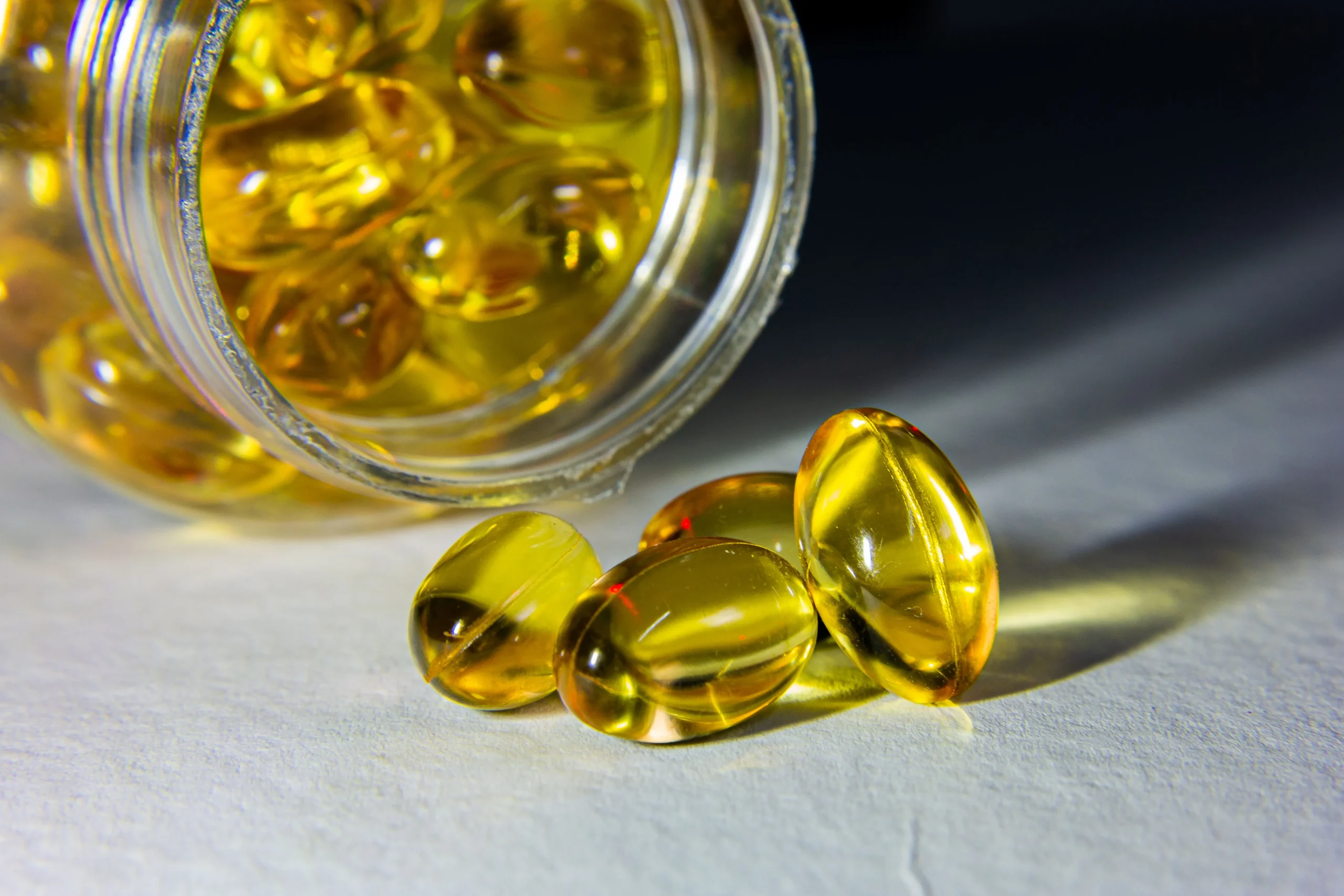
A supplement containing this nutrient is not automatically necessary for everyone.
For some people, a healthcare professional may recommend supplementation based on dietary intake, lifestyle, age, medical circumstances or laboratory results. Deficiency should be medically assessed rather than assumed from symptoms alone.
If you already take a multivitamin or several supplements, check the labels carefully. Taking multiple products containing same nutrient can unintentionally increase your total intake.
6. Vitamin D Can Be Harmful in Excess
More is not always better.
Very high amounts of this nutrient from supplements can lead to excessive calcium levels in the blood and cause health problems. Excessive intake is generally associated with supplements rather than ordinary food intake or normal sunlight exposure. ODSI
For this reason, avoid taking high-dose supplements simply because you believe it will provide extra protection.
If you are considering a high-dose supplement, discuss it with a doctor or another qualified healthcare professional first.
A Simple Vitamin D Routine
A realistic approach does not have to be complicated.
Morning:
Check whether your breakfast contains a fortified food that provides this nutrient.
During the week:
Include foods such as fatty fish when they fit your eating pattern.
During the day:
Spend some time outdoors while following sensible sun-protection practices.
When using supplements:
Check the amount already provided by other products you take.
If you are concerned about deficiency:
Talk to a healthcare professional instead of increasing the dose on your own.
Vitamin D and a Balanced Diet
This nutrient should be considered as one part of an overall nutritious eating pattern rather than as a replacement for healthy food.
A varied diet containing vegetables, fruits, whole grains, legumes, nuts, seeds and appropriate protein sources helps provide a broad range of vitamins and minerals. A balanced and varied diet is an important part of meeting nutritional needs. ODSI
This also means that taking a supplement does not compensate for a diet that lacks variety.
Frequently Asked Questions About Vitamin D
Is It Possible to Get Enough Vitamin D From Food?
Sometimes, but it can be difficult because relatively few foods naturally contain substantial amounts of this nutrient. Fortified foods can make a useful contribution. MedlinePlus
Is Sunlight the Best Source of Vitamin D?
Sunlight allows the body to produce the nutrient, but the amount varies considerably between people. Sun exposure should not be increased excessively because ultraviolet radiation can damage the skin. News in Health
Should Everyone Take Vitamin D Supplements?
No. Supplementation should depend on individual circumstances. If you are concerned about your nutrient status, discuss testing or supplementation with a healthcare professional.
Can I Take More Vitamin D for Extra Benefits?
Taking more of this nutrient is not necessarily better. Excessive supplemental intake can be harmful, so high doses should not be used routinely without appropriate medical advice. ODSI
Final Thoughts on Vitamin D
This nutrient is important, but getting enough does not require an extreme routine. A combination of suitable foods, sensible outdoor activity, fortified products when appropriate and informed decisions about supplements can provide a practical approach.
The most important point is to avoid assuming that a high-dose supplement is automatically better. When there is a real concern about vitamin D deficiency, professional advice is a safer way to determine what you actually need.
Disclaimer: This article is for general educational purposes only and does not replace professional medical advice, diagnosis or treatment.