


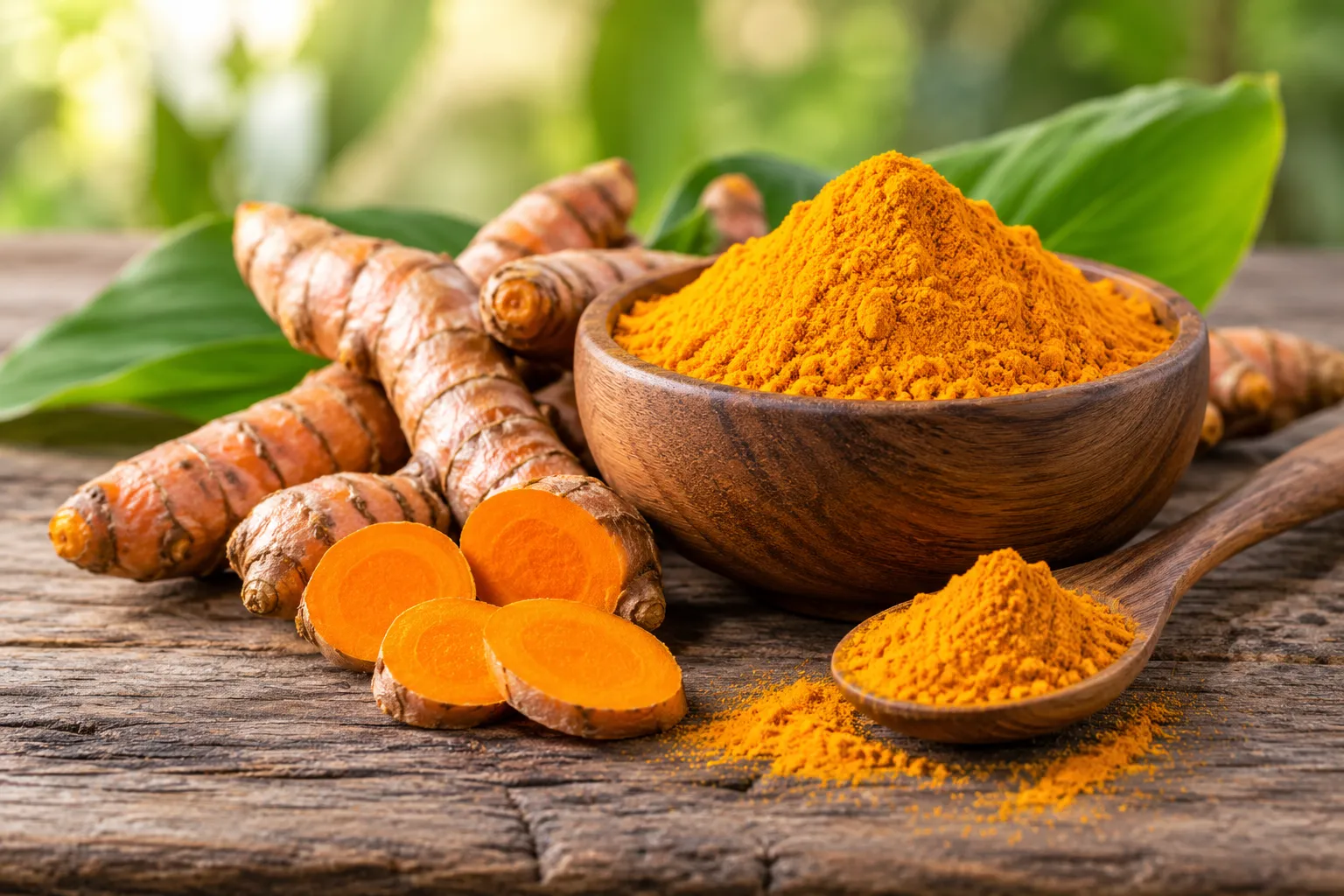

Turmeric is a bright yellow spice that can add flavor, color and variety to everyday meals. People have used the root of Curcuma longa in cooking for centuries, particularly in South Asian cuisines. Turmeric contains several curcuminoids, and researchers have studied curcumin most extensively. NCCIH
Although many people promote this spice for various health benefits, scientific evidence remains more limited. Some research has explored curcumin for inflammation, joint discomfort and other conditions, but the results do not justify treating turmeric as a cure or replacement for medical care. NCCIH
Why Turmeric Is More Than a Colorful Spice
One of the simplest reasons to use this spice is that it can make ordinary meals more interesting without requiring large amounts of salt, sugar or rich sauces.
Its warm, earthy flavor works well in soups, rice dishes, roasted vegetables, eggs, curries and homemade sauces. Even a small amount can give food a distinctive golden color.
Rather than thinking of turmeric as a miracle ingredient, it is more useful to consider it one of many spices that can help make a varied diet more enjoyable.
For more ideas about nutritious ingredients, you can also explore our article on Superfoods and blueberries.
1. Adding Flavor to Simple Meals
This ingredient is particularly useful when you want to build flavor with a small number of ingredients.
Try adding a modest amount to:
- Vegetable soups
- Lentil or bean dishes
- Rice and grain bowls
- Roasted cauliflower or carrots
- Scrambled eggs
- Homemade vegetable sauces
- Chicken or fish marinades
You can also combine it with other spices such as black pepper, cumin, ginger or paprika.
The goal is not to use large quantities. A little turmeric can be enough to change the appearance and flavor of a dish.
2. Turmeric Fits Easily Into a Balanced Diet
A healthy diet depends on the overall pattern of foods rather than one particular ingredient.
Vegetables, fruits, whole grains, legumes, nuts, seeds and other nutritious foods can all contribute to a varied eating pattern. This spice can also make nutritious foods more appealing when used with other seasonings.
For example, you could prepare roasted vegetables with olive oil and turmeric, then serve them with a source of protein and whole grains. This creates a more complete meal instead of relying on one ingredient for a supposed health effect.
If you enjoy simple balanced meals, our Healthy Recipes article has another practical example.
3. Turmeric and Curcumin Are Not the Same Thing
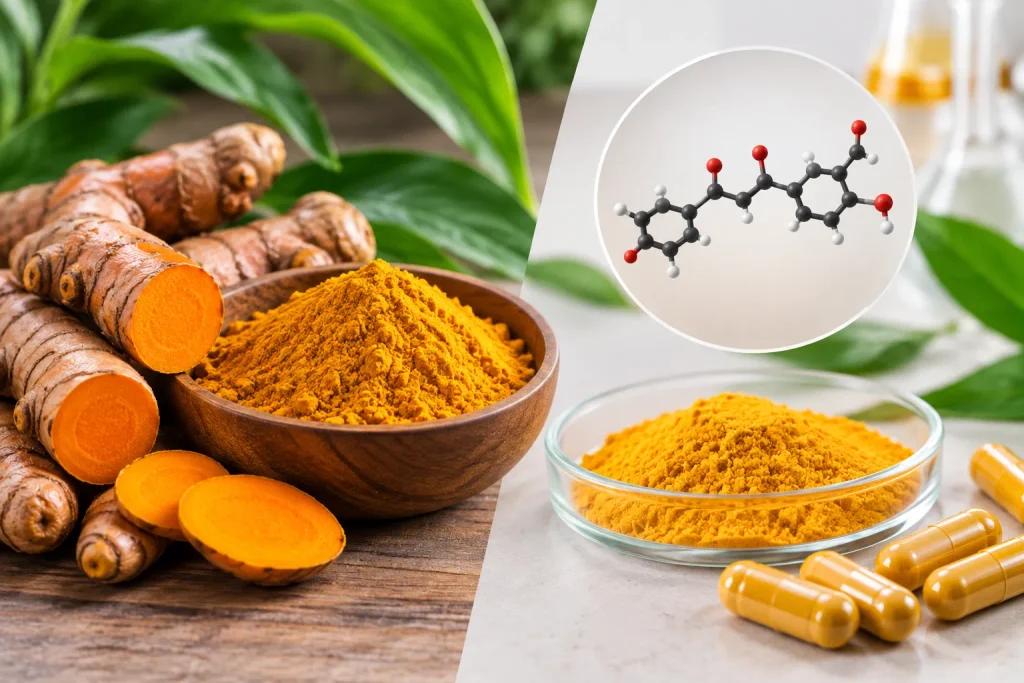
Turmeric and curcumin are closely related, but they are not identical.
The term turmeric refers to the whole spice derived from the plant. Curcumin is one group of compounds found in turmeric and is the substance most frequently studied in research.
This distinction matters because studies of concentrated curcumin products do not show that ordinary amounts of turmeric in food produce the same effects.
Research into curcumin has explored possible anti-inflammatory effects and other potential uses. However, NCCIH notes that evidence is still insufficient to support turmeric supplementation for inflammatory disorders in general. NCCIH
4. This Golden Spice Can Be Easy to Use
You do not need complicated recipes to include turmeric in your meals.
One practical approach is to choose dishes that already contain vegetables, grains or legumes and add a small amount of the spice while cooking.
For example, the spice can be stirred into a vegetable soup, mixed with cooked rice or added to roasted vegetables before they go into the oven.
Another option is a simple warm drink made with milk or a plant-based beverage and a small amount of the spice. Keep in mind that adding large amounts of sugar can turn an otherwise simple drink into a less balanced choice.
5. Turmeric Supplements Need More Care
Using the spice in normal cooking is different from taking concentrated supplements.
NCCIH reports that conventional oral turmeric or curcumin formulations are likely safe for most people when used in recommended amounts for short periods, but they can cause digestive problems such as nausea, reflux, stomach upset, diarrhea or constipation. NCCIH
Manufacturers specially formulate some products to increase curcumin absorption. NCCIH notes that some people have experienced liver injury after using certain enhanced-bioavailability formulations. NCCIH
For this reason, more is not necessarily better. Anyone considering a concentrated turmeric or curcumin supplement, particularly someone taking medicines or managing a health condition, should discuss it with a healthcare professional.
What the Research Says About Possible Benefits
Turmeric has attracted scientific interest because curcumin has shown anti-inflammatory activity in laboratory research. Human studies have also investigated its possible role in conditions such as knee osteoarthritis. NCCIH
A 2021 systematic review cited by NCCIH found that turmeric may have beneficial effects on knee osteoarthritis pain and function compared with placebo, but the researchers noted that questions remained about the best dose, frequency and formulation. NCCIH
That is an important distinction. Research showing a possible benefit in a specific clinical setting does not mean that turmeric can prevent disease or replace prescribed treatment.
How to Choose and Store Turmeric
If you buy the powdered spice, choose a product with a clear ingredient list and store it in a cool, dry place away from direct sunlight.
A tightly closed container can help protect the spice from moisture and preserve its flavor.
You can also use the fresh root. Peel and grate it before adding it to soups, sauces or other dishes. Because fresh root has a different texture and flavor intensity, start with a small amount and adjust according to taste.
Frequently Asked Questions About Turmeric
Can this spice be used every day in cooking?
This spice can be included as a culinary ingredient as part of a varied diet. Using it in normal food amounts is different from taking concentrated supplements.
Does this spice reduce inflammation?
Curcumin has demonstrated anti-inflammatory activity in laboratory research, but evidence in humans varies by condition and formulation. NCCIH says there is currently insufficient evidence to support turmeric supplementation broadly for inflammatory disorders. NCCIH
Is turmeric the same as curcumin?
No. Turmeric is the spice made from the Curcuma longa plant, while curcumin is one of its principal studied compounds.
Should everyone take turmeric supplements?
No. Supplements are concentrated products and are not necessary simply because turmeric is considered a popular superfood. Some formulations can cause side effects, and enhanced-bioavailability products have been associated with reports of liver injury. NCCIH
Can turmeric replace medical treatment?
No. Turmeric should not be used as a substitute for prescribed treatment or professional medical advice.
Final Thoughts on Turmeric
Turmeric can be a simple and flavorful addition to everyday cooking. Its strong color and earthy taste make it useful in vegetables, grains, soups, eggs and many other dishes.
Research into curcumin continues, but current evidence does not support treating turmeric as a cure-all. For most people, the most practical approach is to enjoy it as part of a varied diet while being more cautious with concentrated supplements. NCCIH
Medical note: This article is for general educational purposes and does not replace medical advice, diagnosis or treatment.