


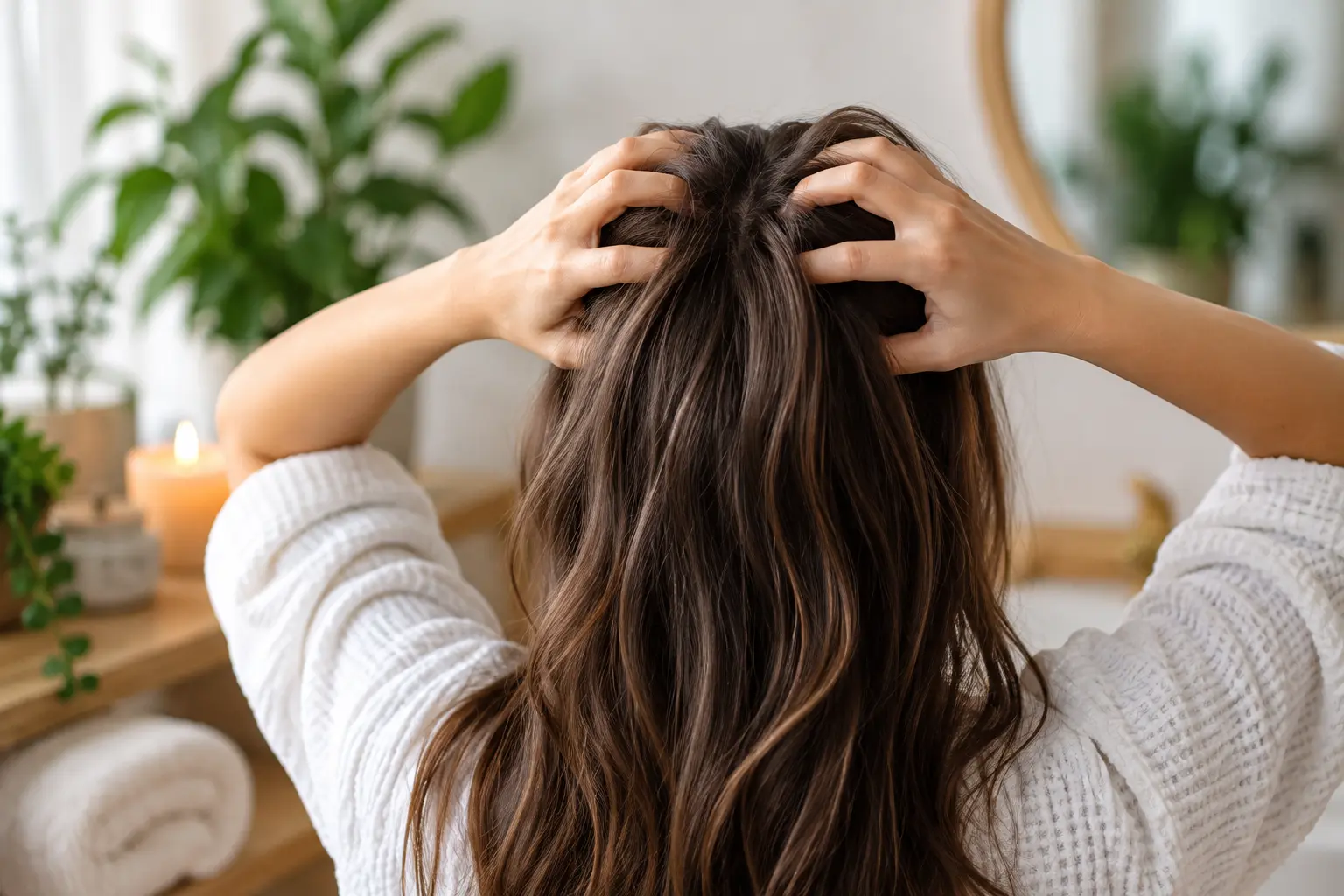
Why Scalp Massage Can Be a Simple Self-Care Habit
Scalp massage can be an easy way to create a few quiet minutes during a busy day. It does not require special equipment, complicated preparation or a long time commitment.
The basic technique involves using your fingertips to make gentle movements across the scalp while sitting comfortably. Some people may prefer doing it after a shower, before bed or during a quiet break at home.
A useful self-care habit can be something small that fits naturally into your existing routine. Small routines that are easy to repeat can give you an opportunity to slow down and focus on yourself.
1. Scalp Massage Starts With a Comfortable Setting
You can do this routine almost anywhere you can sit comfortably.
A quiet bedroom, bathroom or comfortable chair can work well. You do not need special lighting, music or other accessories unless they make the experience more pleasant for you.
Settle into a comfortable position and let your shoulders relax before you begin. Give yourself a moment to loosen your hands as well.
If you have long hair, leave it loose or gently move it away from your face. The aim is simply to make the routine comfortable.
You can also choose a regular time. For example, you might do it after your evening shower or before going to bed. Choosing a time that already fits into your day can make the habit easier to maintain.
2. Use Your Fingertips Rather Than Your Fingernails
The technique itself can remain very simple.
Place the soft pads of your fingertips against the scalp instead of using your fingernails. Move them slowly in small circles while keeping the pressure light.
Begin near the front of the scalp and gradually work toward the sides and back. You can also move between different areas rather than concentrating on one spot.
Strong pressure is not necessary. The movement should feel gentle and comfortable.
If an area feels sore, irritated or uncomfortable, ease off or stop. A self-care activity should not cause pain.
3. Scalp Massage Can Take Just a Few Minutes
This routine does not have to take a large part of your evening.
Try starting with three to five minutes and see whether that feels comfortable. If you enjoy the process, you can make it part of a longer evening routine.
One simple approach is to move through several areas:
– front and hairline
– temples and sides
– top of the scalp
– back of the head
– area around the base of the skull
Spend a short period on each area and keep your movements gentle.
Having a simple sequence can make the habit easier to remember without turning it into another task that needs to be completed perfectly.
4. Turn It Into a Slow Evening Ritual

A scalp massage can fit naturally into an evening routine.
For example, finish your shower, put your phone aside and sit somewhere comfortable for several minutes. You can then combine the routine with slow breathing, quiet music or simply a few moments of silence.
The idea is to create a simple transition from a busy part of the day to a quieter period.
If you already have an evening self-care routine, this habit can be added without replacing the things that already work for you.
Keeping the sequence simple can also make it easier to repeat from week to week.
5. You Do Not Need Special Products
You can perform the routine with clean, dry hands.
Some people may prefer using a small amount of hair or scalp product, but this is not necessary. If you use a product, choose one that is appropriate for your scalp and follow its instructions.
There is no need to buy several products simply to create a self-care habit. The main part of the routine is the gentle fingertip movement and the time you set aside for yourself.
Pay attention to how your scalp reacts to anything you apply. If a product makes your scalp itchy, red or irritated, stop using it.
A simple routine can be easier to maintain than one that depends on several products or accessories.
6. Choose a Routine That Fits Your Day
A self-care habit works best when it fits your actual lifestyle.
If your mornings are busy, adding another activity before work may not be realistic. An evening routine may work better.
If your evenings are already full, you could choose a quiet period after your shower or during a weekend afternoon.
You can also decide how often this habit fits into your week. Some options include:
– a few minutes after two or three evening showers
– a short session before bed when you have time
– a weekend relaxation routine
– a few quiet moments to unwind after a busy day
The important part is finding a pattern that feels realistic rather than adding another obligation to your schedule.
Pay Attention to How Your Scalp Feels
A personal-care routine can also help you become more familiar with how your scalp normally feels.
As you move your fingertips, pay attention to whether the pressure remains comfortable. Different areas may feel slightly different, and that does not automatically mean there is a problem.
These sensations should not be used to diagnose a condition. Instead, they can simply help you decide whether to change the pressure or stop.
If one area feels uncomfortable, use lighter movements or leave that area alone. If irritation develops, stop the routine and consider whether friction or a particular product could be contributing.
Persistent scalp pain, significant itching, sores, unusual skin changes or other ongoing concerns should be discussed with a qualified healthcare professional rather than managed through self-care alone.
A Simple Five-Minute Routine
A short sequence can make the habit easier to follow.
First minute: Sit comfortably and place your fingertips gently on the front of your scalp. Let your shoulders relax.
Second minute: Move your fingertips slowly around the top and sides of your head. Keep the pressure light and steady.
Third minute: Continue toward the back of your head using small, comfortable movements.
Fourth minute: Return to the areas that feel most comfortable and slow the movements down. Take a few relaxed breaths.
Fifth minute: Gradually finish the routine, lower your hands and remain still for a short moment before continuing with your evening.
The timing does not have to be exact. You can make the routine shorter when you are busy or spend a little longer when you have more free time.
The goal is simply to create a small pause in your day.
Scalp Massage Tools and Simple Alternatives
Special scalp brushes and massage tools are available, but they are not essential.
Your fingertips can provide enough movement for a basic routine. If you decide to use a tool, follow the manufacturer’s instructions and keep the pressure comfortable.
A tool should not cause scratching, pain or irritation.
Clean it regularly according to the manufacturer’s recommendations, especially if you use it together with hair or scalp products.
For a basic self-care habit, you can keep the routine simple without collecting several accessories.
Can You Do It After Washing Your Hair?
Yes, you can include the routine after washing your hair, but gentle handling is important.
Wet hair can be more vulnerable to breakage when handled roughly, so avoid pulling, twisting or aggressively rubbing the hair.
Dry your hair gently according to your normal routine and then use your fingertips on the scalp with light pressure.
If your hair tangles easily, wait until it is easier to handle before beginning.
The goal is to focus on the scalp while avoiding unnecessary friction on the hair itself.
How to Keep the Routine Relaxing
The environment around a self-care habit can influence whether you actually enjoy doing it.
You could lower the lights, play quiet music or simply sit in silence. None of these additions are required.
Some people may prefer to leave their phone in another room for a few minutes. Others may enjoy listening to calming audio.
Try different options and keep the ones that make the experience more comfortable without turning the preparation into another task.
Self-care should fit your life rather than become another source of work.
Frequently Asked Questions About Scalp Massage
How long should a scalp massage last?
There is no required duration for a simple self-care routine. A few minutes can provide a short pause during the day. Adjust the length according to your comfort and available time.
Should I use oil?
Oil is not necessary. You can perform the routine with clean hands. If you choose to use an oil or another product, make sure it is suitable for your scalp and stop using it if you develop irritation.
Can I do it before bed?
Yes. Some people may prefer including it in their evening routine because it provides a quiet activity before moving on to other bedtime habits.
Should the pressure be strong?
No. Light, comfortable pressure is enough. Avoid aggressive rubbing or movements that cause pain, scratching or irritation.
Can I use a massage brush?
You can, but it is not essential. If you use one, follow the product instructions and avoid pressing too firmly against the scalp.
Can it replace treatment for a scalp problem?
No. A self-care routine should not replace professional evaluation or treatment. Persistent pain, irritation, sores or other unusual changes should be discussed with an appropriate healthcare professional.
Final Thoughts on a Simple Self-Care Routine
Scalp massage can be a practical way to create a few quiet minutes during an otherwise busy day.
You can do it with clean hands, a comfortable place to sit and a few uninterrupted minutes. Gentle fingertip movements are enough, so there is no need to build an elaborate routine or purchase several products.
Try adding it after a shower, before bed or during another naturally quiet part of your day. Keep the pressure comfortable, pay attention to how your scalp feels and stop if something causes pain or irritation.
Most importantly, treat the routine as a small personal pause rather than another task that has to be completed perfectly.
Disclaimer: This article provides general self-care information for educational purposes. It does not provide medical diagnosis or treatment. If you experience persistent scalp pain, significant irritation, sores, unusual skin changes, hair loss or another concerning symptom, consult a qualified healthcare professional.