




General health is easier to manage when you regularly pay attention to small changes in your daily life. You do not need to spend hours tracking every detail. A short weekly check-in can help you notice habits that are working well, identify areas that need attention and remember important preventive care.
This guide focuses on one practical habit: spending about 15 minutes once a week reviewing your health routine.
Why General Health Benefits From a Weekly Check-In
Health problems do not always appear suddenly. Instead, some changes develop gradually through sleep, activity, eating habits, stress or other parts of everyday life.
A weekly review gives you an opportunity to notice patterns rather than relying only on how you feel on a particularly good or difficult day.
The purpose is not to diagnose yourself. It is simply to become more aware of your habits and decide whether something deserves further attention.
1. General Health Starts With Reviewing Your Sleep
Think about your sleep during the previous week.
Ask yourself:
- Did I usually get enough time for sleep?
- Was my bedtime reasonably consistent?
- How often did I wake up feeling exhausted?
- Were there things that repeatedly interfered with my sleep?
Adults generally need at least seven hours of sleep, although individual needs can vary. Persistent sleep problems or significant daytime sleepiness are reasons to discuss the situation with a healthcare professional.
You do not need to record every minute of sleep. A simple observation such as “sleep was good,” “sleep was inconsistent” or “I was frequently tired” can be enough for a weekly review.
2. Look at How Much You Moved
Next, consider your physical activity.
Instead of asking whether you completed a perfect workout plan, look at the whole week.
Did you walk regularly? Did you spend time outdoors? Did you use the stairs? Did you complete any strength or other exercise?
For adults, CDC recommends at least 150 minutes of moderate-intensity aerobic activity each week, together with muscle-strengthening activities on at least two days. However, some activity is better than none, and the amount can be divided across the week. CDC
The goal of the weekly check-in is simply to see where you are and decide whether you want to add a little more movement next week.
3. General Health Includes Looking at Your Meals
You do not need to calculate every calorie or write down every ingredient.
Instead, consider the overall pattern of your meals.
During the previous week, check whether you regularly ate:
- Vegetables and fruit?
- Whole grains or other high-fiber foods?
- Beans, lentils, nuts or seeds?
- Fish, eggs or other nutritious protein sources?
- Mostly water or other suitable drinks?
WHO describes a healthy diet around principles including adequacy, balance, moderation and diversity. A varied diet based largely on minimally processed foods can help provide important nutrients. World Health Organization
If your meals were less balanced than usual, choose one simple improvement for the coming week instead of trying to change everything at once.
4. Notice How You Have Been Feeling
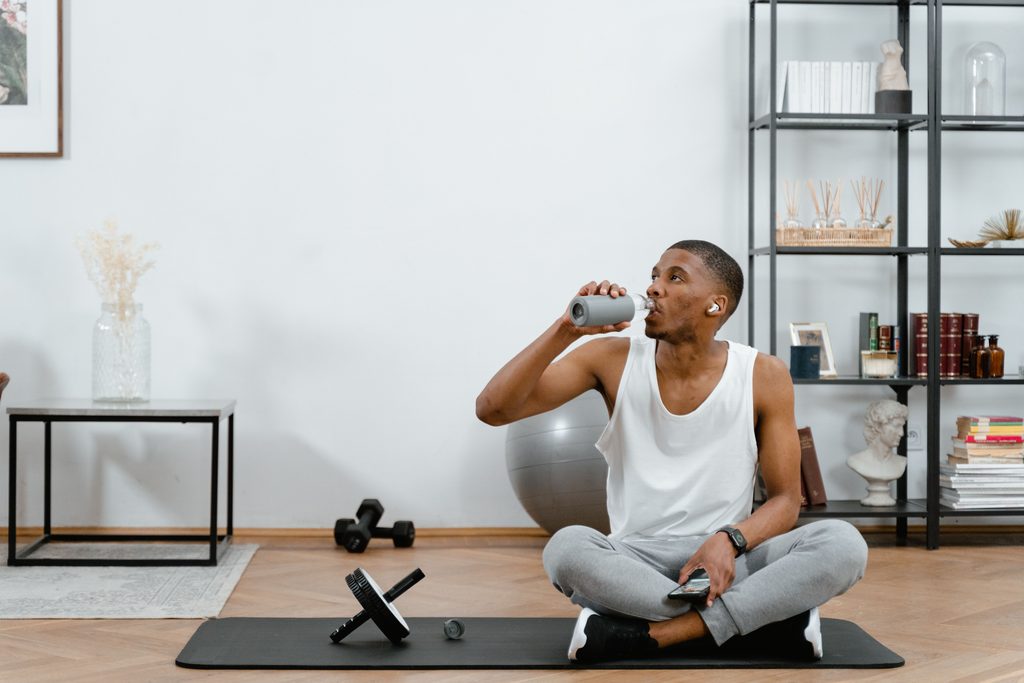
Your weekly check-in should include more than physical habits.
Ask yourself how you have felt during the week.
Have you been unusually stressed? Have you had difficulty concentrating? Have you felt persistently low, irritable or overwhelmed?
One difficult day does not automatically indicate a health problem. However, a change that continues or starts interfering with your everyday activities deserves attention.
If you are concerned about your mental or emotional well-being, consider discussing it with a qualified healthcare professional.
5. General Health Means Paying Attention to Changes
Use a few minutes to think about anything that has changed physically.
For example, you might have noticed:
- A persistent pain
- An unusual change in energy
- Repeated digestive problems
- Changes in your sleep
- A symptom that keeps returning
- A change that concerns you
Remember that the purpose is not to diagnose the cause yourself.
Instead, write down what you noticed, when it started and whether it is getting better or worse. This information can be useful if you decide to speak with a healthcare professional.
Sudden, severe or potentially serious symptoms should not wait for a weekly check-in.
6. General Health Also Includes Preventive Care
Once a week, check whether you have any health appointments or preventive tasks coming up.
Depending on your age, sex, medical history and individual risk factors, preventive care may include vaccinations, dental visits, screenings, routine medical appointments or other recommended services.
CDC recommends regular preventive care and screenings to help prevent chronic diseases or detect some problems early. The appropriate schedule varies between individuals, so follow the advice of your healthcare professional. CDC
A Simple Preventive Care List
Keep a short list containing:
- Upcoming medical appointments
- Dental appointments
- Recommended screenings
- Vaccinations
- Questions you want to ask your doctor
- Any symptoms you want to mention
This takes only a few minutes and can prevent important tasks from being forgotten.
7. Turn Your Weekly Check-In Into One Small Action
The final step is the most important.
Choose one action for the following week.
For example:
- Go for a 20-minute walk three times.
- Add vegetables to one meal each day.
- Set a more consistent bedtime.
- Book a dental appointment.
- Arrange a medical check-up.
- Write down a symptom you want to discuss with your doctor.
- Spend less time sitting during the workday.
Avoid creating a list of ten new goals. One realistic change is easier to maintain and gives you a clear focus for the next weekly check-in.
A 15-Minute General Health Checklist
You can save this checklist and repeat it once a week.
Minutes 1–3 — Sleep
How was my sleep this week?
Minutes 4–6 — Movement
How active was I?
Minutes 7–9 — Food and drinks
Was my overall eating pattern balanced?
Minutes 10–11 — Well-being
How have I been feeling?
Minutes 12–13 — Changes
Did I notice any persistent or unusual symptoms?
Minutes 14–15 — Next step
What is one health-related action I should take next week?
That is enough. The purpose is awareness, not perfection.
General Health Does Not Mean Tracking Everything
A weekly health check should make your routine easier, not more stressful.
You do not need to measure every meal, count every step or record every physical sensation.
For most people, a few simple observations are enough to identify areas that may need more attention.
If tracking starts making you anxious or overly focused on your health, simplify the process and discuss your concerns with a healthcare professional.
Frequently Asked Questions About General Health
How often should I review my general health?
A short weekly review can be a practical habit, while medical check-ups and screenings should follow recommendations appropriate for your age, health history and individual risk.
Do I need to track my health every day?
No. Daily tracking is not necessary for everyone. A weekly review can provide a simple overview without making health management feel like a constant task.
What should I do if I notice a persistent symptom?
Write down what you noticed and consider contacting a healthcare professional, particularly if the symptom continues, worsens or affects your normal activities.
Can healthy habits prevent every illness?
No. Healthy habits can reduce certain health risks and support overall well-being, but they cannot guarantee that you will never become ill. Genetics, environment, age and other factors also influence health.
Final Thoughts on General Health
General health does not need to be managed through complicated routines or constant tracking.
A simple 15-minute weekly review can help you notice patterns in your sleep, activity, food choices, well-being and any changes that may need attention.
Most importantly, use the check-in to choose one realistic action for the coming week. Small decisions repeated over time can become a practical part of a healthier lifestyle.
Disclaimer: This article is for general educational purposes only and does not replace medical advice, diagnosis or treatment. Preventive care and health recommendations can vary according to individual circumstances. If you have concerning, persistent or severe symptoms, consult a qualified healthcare professional.