



Healthy eating can start with one simple meal. Lunch is often eaten in the middle of a busy day, so having an easy way to create a balanced plate can make nutritious choices much more practical.
A good lunch does not need to be expensive, complicated or completely different from the foods you already enjoy. The idea is to combine several nutritious food groups in reasonable portions.
Why a Balanced Lunch Matters
Lunch can provide energy for the rest of the day and help you stay satisfied between meals. A balanced meal can include vegetables, a source of protein, whole grains or another nutritious carbohydrate, and a small amount of healthy fat.
The exact combination can vary depending on your preferences, lifestyle and nutritional needs. There is no single lunch that is right for everyone. World Health Organization
1. Start With Vegetables
Vegetables are an easy way to add color, fiber and important nutrients to lunch.
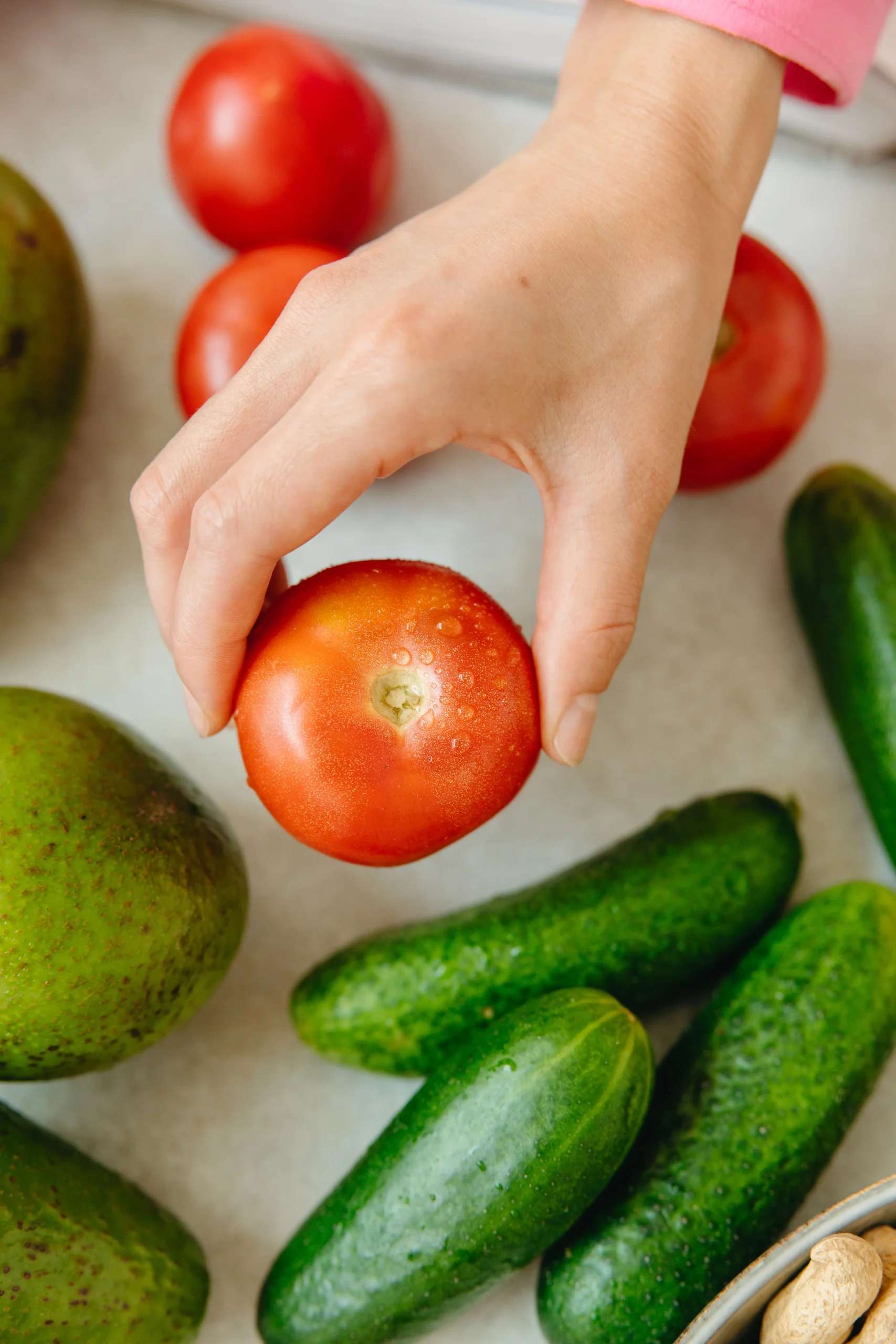
Try adding tomatoes, cucumber, peppers, carrots, spinach, broccoli or other vegetables you enjoy. Fresh vegetables are convenient, but frozen or canned options can also be useful when they contain little or no added sodium. CDC
You do not have to prepare a complicated salad. A few vegetables added to a sandwich, bowl, omelet or cooked meal can make a difference.
2. Add a Good Source of Protein
Protein can help make a meal more satisfying. Depending on your eating preferences, lunch could include chicken, fish, eggs, beans, lentils, chickpeas, yogurt, nuts or seeds.
For example, grilled chicken can be added to a vegetable bowl, while chickpeas or lentils can provide a plant-based option.
The goal is variety rather than relying on one protein source every day.
3. Choose Whole Grains More Often
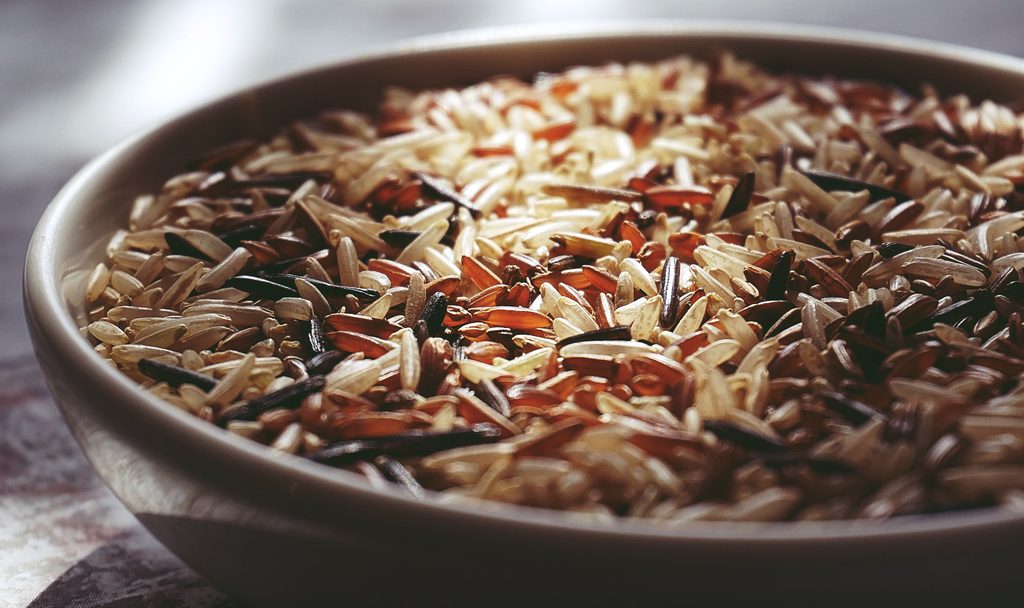
Whole grains can provide fiber and other nutrients. Options include oats, brown rice, whole-grain bread, whole-wheat pasta and other minimally processed grains.
Instead of always choosing refined grain products, try replacing some of them with whole-grain alternatives.
For example, a lunch sandwich can use whole-grain bread, while a rice bowl can use brown rice.
WHO recommends obtaining carbohydrates mainly from sources such as whole grains, vegetables, fruits and pulses. World Health Organization
4. Include a Small Amount of Healthy Fat
Fat is part of a balanced diet, but the type of fat matters.
Olive oil, avocado, nuts and seeds can be practical additions to lunch. You do not need a large amount. A small portion can add flavor and make a simple meal more enjoyable.
WHO recommends favoring unsaturated fats over saturated and industrial trans fats. World Health Organization
5. Try an Easy Balanced Lunch Bowl
One simple example is a chicken and vegetable bowl.
Ingredients:
- Cooked chicken breast
- Brown rice
- Cucumber
- Tomato
- Bell pepper
- A handful of spinach
- A small amount of olive oil
- Lemon juice
- Black pepper
Preparation:
Place the rice in a bowl and add sliced chicken and vegetables. Finish with a small amount of olive oil, lemon juice and black pepper.
You can easily replace the chicken with chickpeas, beans, eggs or another protein source.
6. Keep Lunch Simple When You Are Busy
Healthy eating does not require cooking a completely new meal every day.
You can prepare several ingredients in advance and combine them differently during the week. Cooked rice, boiled eggs, roasted vegetables, chicken, beans or lentils can be stored safely and used in different meals.
Planning ahead can also make it easier to avoid less nutritious convenience foods when you are very hungry. CDC recommends meal planning and preparing food at home as practical ways to support healthier choices. CDC
7. Watch What You Add to Your Meal
A nutritious lunch can become less balanced when large amounts of sauces, processed meats, salty toppings or sugary drinks are added.
This does not mean that you need to avoid these foods completely. Instead, pay attention to how often they appear and how much you use.
Water can be a simple everyday beverage choice. For more ideas, read our guide to Healthy Drinks: Better Beverage Choices for Everyday Wellness.
A Simple Formula for Healthy Eating at Lunch
When you are unsure what to prepare, use this simple formula:
Vegetables + Protein + Whole Grain + Healthy Fat
For example:
Chicken + vegetables + brown rice + olive oil
or
Chickpeas + vegetables + whole-grain bread + avocado
This approach gives you a simple starting point without requiring a strict meal plan.
Healthy Eating Does Not Mean Perfect Eating
A balanced lunch does not have to be perfect every day. Some days you may have more vegetables, while on other days your meal may be simpler.
What matters more is the overall pattern of your diet. WHO describes a healthy diet around the principles of adequacy, balance, moderation and diversity. World Health Organization
Making small improvements consistently can be more realistic than trying to completely change your eating habits overnight.
Frequently Asked Questions About Healthy Eating
What should a healthy lunch contain?
A practical lunch can include vegetables, a protein source, whole grains or another nutritious carbohydrate, and a small amount of healthy fat.
Do I need to eat salad every day?
No. Vegetables can be included in many different forms, such as cooked vegetables, soups, bowls, sandwiches or omelets.
Can I eat bread as part of healthy eating?
Yes. Whole-grain bread can be a nutritious option and can provide fiber and other nutrients.
Can I prepare healthy lunches in advance?
Yes. Preparing ingredients such as vegetables, grains and protein ahead of time can make nutritious meals easier to assemble during busy days.
Final Thoughts on Healthy Eating
Healthy eating does not have to involve complicated recipes or strict rules. Starting with one balanced lunch can be a simple way to improve your everyday food choices.
Try combining vegetables, protein, whole grains and a source of healthy fat. Once this becomes easy, you can apply the same idea to breakfasts, dinners and snacks.
Disclaimer: This article is for general educational purposes only and does not replace personalized medical or nutritional advice. If you have specific dietary needs or a medical condition, speak with a qualified healthcare professional.