




Women’s health is shaped by everyday choices involving food, movement, sleep, emotional well-being and preventive care. A healthy lifestyle does not need to be complicated. Small habits that fit naturally into daily life can support long-term health and well-being.
Women’s Health and Everyday Well-Being
Women’s health includes much more than preventing illness. It also involves supporting physical strength, energy, emotional balance and overall quality of life.
Nutritious meals, regular movement, enough sleep, meaningful relationships and appropriate healthcare can all contribute to a healthier lifestyle. The most useful routine is one that is realistic and easy to maintain.
1. Women’s Health Starts With Balanced Nutrition
A varied diet provides energy and nutrients needed for everyday life. Try to include vegetables, fruits, whole grains, beans, nuts, seeds and nutritious sources of protein.
Rather than following strict diets, focus on variety and balance. Limiting excessive amounts of free sugars, salt and unhealthy fats can also support a healthier eating pattern. World Health Organization
2. Women’s Health and Important Nutrients
Nutritional needs can change during different stages of life. Nutrients such as iron, calcium and vitamin D can be particularly important depending on age and individual circumstances.
Iron-rich foods may be useful for women who lose iron through menstruation, while calcium and vitamin D support normal bone health.
If you suspect a nutrient deficiency or have special dietary needs, speak with a healthcare professional before taking supplements.
3. The Benefits of Regular Exercise
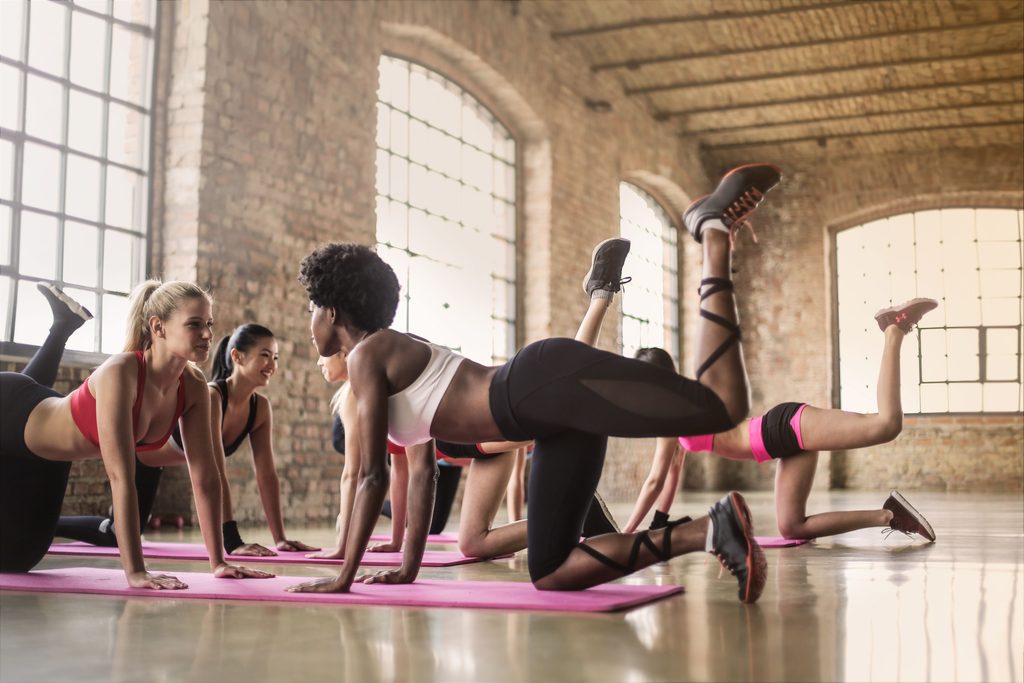
Regular physical activity can support cardiovascular fitness, muscle strength, bone health, healthy weight and mental well-being.
Walking, cycling, swimming, dancing and strength exercises are all practical ways to stay active.
For adults, WHO recommends at least 150 minutes of moderate physical activity per week, or 75 minutes of vigorous activity, together with muscle-strengthening activities on at least two days each week. World Health Organization
If you are currently inactive, begin with smaller amounts and gradually increase your activity.
4. Protect Your Bones With Exercise and Good Nutrition
Bone health deserves attention throughout life. Walking, resistance exercises and other weight-bearing activities can help support strong bones.
A varied diet that provides calcium and vitamin D is also important. Individual needs can differ, so women with concerns about bone health should discuss them with a healthcare professional.
5. Healthy Weight Management
Healthy weight management is not about extreme diets or achieving a particular appearance. It is about creating sustainable habits involving nutritious food, movement, sleep and balanced portions.
Simple changes such as eating more vegetables, drinking water more often and moving regularly can be easier to maintain than drastic restrictions.
Body weight can change because of age, pregnancy, menopause, medications and other factors. Individual circumstances should therefore be considered.
6. Make Sleep Part of Your Wellness Routine
Sleep is an important part of overall well-being. Maintaining a relatively consistent bedtime and wake-up time can help create a more stable routine.
A relaxing evening, a comfortable bedroom and less screen use before bed may also make it easier to prepare for sleep.
If ongoing sleep problems affect your daily life, consider speaking with a healthcare professional.
7. Women’s Health Includes Mental Well-Being
Mental well-being is an important part of women’s health. Work, family responsibilities and everyday challenges can sometimes create emotional pressure.
Instead of expecting every stressful situation to disappear, build healthy habits that help you respond to difficult moments. A short walk, relaxing hobby, quiet time, slow breathing or talking with someone you trust may help you feel more balanced.
When emotional difficulties persist or interfere with everyday life, professional support can be appropriate.
8. Choose Better Drinks for Women’s Health
Drinks are also part of your overall diet. Water is an excellent everyday choice, while sugary beverages can add significant amounts of free sugar.
For more ideas on making better beverage choices, read our guide to Healthy Drinks: Better Beverage Choices for Everyday Wellness.
Making water a regular choice is a simple habit that can support a balanced lifestyle.
9. Women’s Health and Preventive Care
Preventive healthcare helps women stay informed about their health and address potential problems appropriately.
Recommended check-ups and screenings can depend on age, personal history, family history and individual risk. For that reason, women should discuss appropriate preventive care with a qualified healthcare professional.
Pay attention to persistent or unusual changes in your health instead of ignoring them simply because you otherwise feel well.
10. Build a Women’s Health Routine You Can Maintain
A healthy routine can begin with a few simple habits:
- Eat a variety of nutritious foods.
- Drink water regularly.
- Stay physically active.
- Include strength exercises during the week.
- Protect your sleep routine.
- Make time for relaxation and social connection.
- Keep appropriate healthcare appointments.
- Pay attention to changes in your physical and emotional well-being.
Consistency is more important than perfection. A routine that fits your life is easier to maintain over the long term.
Women’s Health at Different Stages of Life
Women’s health needs can change with age and life circumstances. Nutrition, physical activity, reproductive health, bone health, sleep and preventive care may have different priorities at different stages.
Pregnancy, breastfeeding, menopause and older age can also bring changing nutritional and healthcare needs. Personalized advice can therefore be valuable.
Frequently Asked Questions About Women’s Health
What are the most important habits for women’s health?
A balanced diet, regular physical activity, sufficient sleep, emotional support and appropriate preventive healthcare are useful foundations.
How much exercise should women get?
Adults should generally aim for at least 150 minutes of moderate activity each week, or 75 minutes of vigorous activity, plus muscle-strengthening activities on two or more days. World Health Organization
Is the same diet suitable for every woman?
No. Nutritional needs can vary according to age, lifestyle, activity level, pregnancy, breastfeeding and other individual factors.
How can women improve everyday well-being?
Start with manageable changes such as eating nutritious foods, moving regularly, sleeping well, staying hydrated and making time for relaxation.
When should a woman speak with a healthcare professional?
Professional advice is appropriate for persistent or unusual symptoms, concerns about health or major planned changes to diet or exercise.
Final Thoughts on Women’s Health
Women’s health is supported by many small choices made consistently. Nutritious food, regular movement, good sleep, emotional well-being and preventive care can all contribute to a healthier lifestyle.
You do not need to change everything at once. Start with a few realistic habits and gradually build a routine that works for your life.
Disclaimer: This article is for general educational purposes only and does not replace personalized medical advice, diagnosis or treatment. If you have specific health concerns, speak with a qualified healthcare professional.