


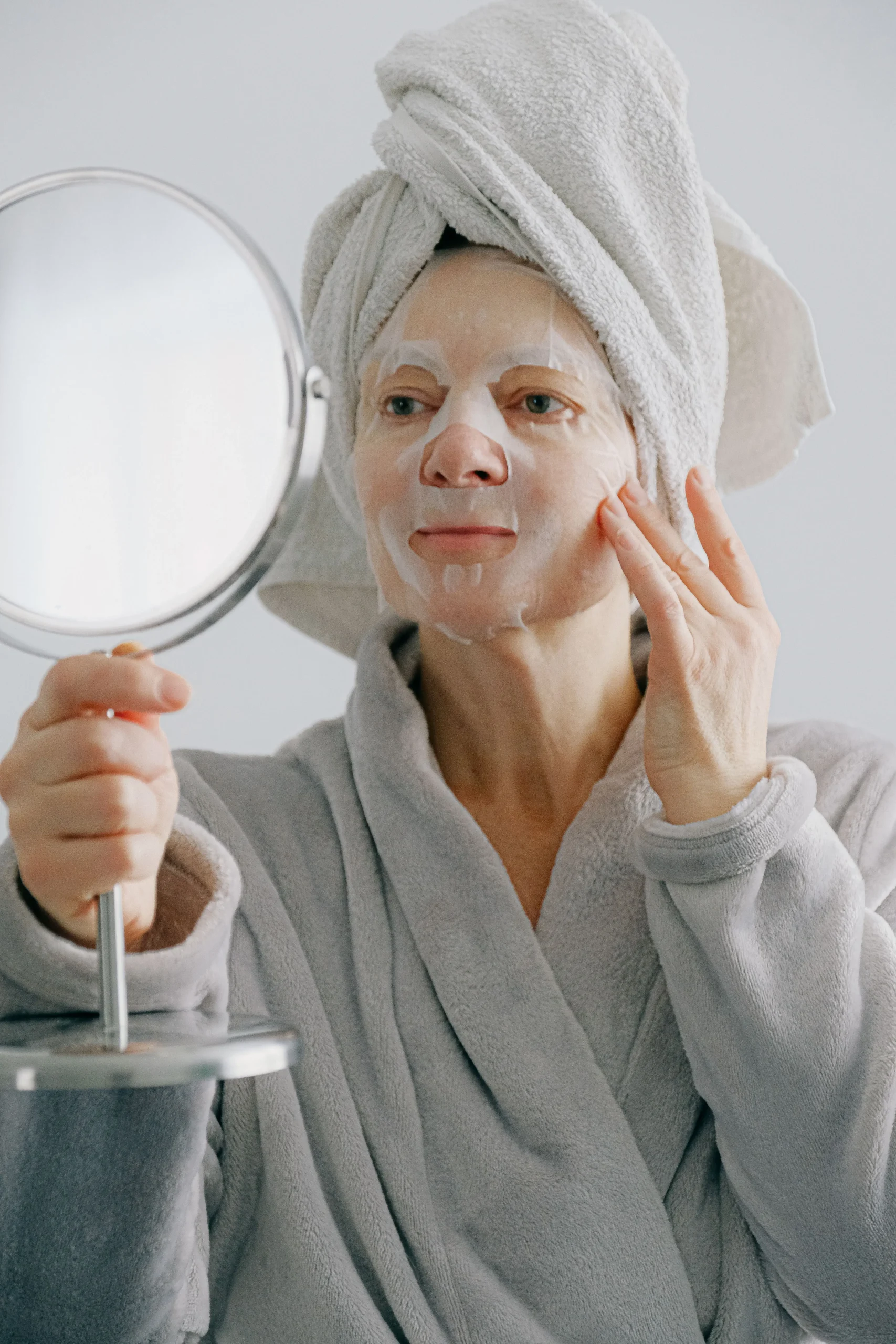

Self-care does not always require a full day off or a complicated wellness plan. Sometimes, it can be as simple as creating a calm evening routine that gives your mind and body time to slow down after a busy day.
An evening routine can include a few quiet activities that help you transition from daily responsibilities to rest. The goal is not perfection, but creating a routine that feels comfortable and realistic.
Why Self-Care Matters in the Evening
The way you spend the final part of your day can influence how prepared you feel for sleep and the next morning. Long periods of stress can affect mood, energy and sleep, while healthy ways of coping can support overall well-being. CDC
Even 20 to 30 minutes of intentional downtime can give you an opportunity to step away from work, responsibilities and constant notifications.
1. Put Your Phone Away Before Bed
One of the simplest changes is creating some distance from your phone before bedtime.
Constant messages, social media and news can keep your attention active when you are trying to relax. Consider putting your phone on silent or leaving it away from your bed for part of the evening.
You do not have to completely avoid technology. Even a short break from your screen can create a calmer transition toward bedtime.
2. Self-Care Can Include a Warm Shower
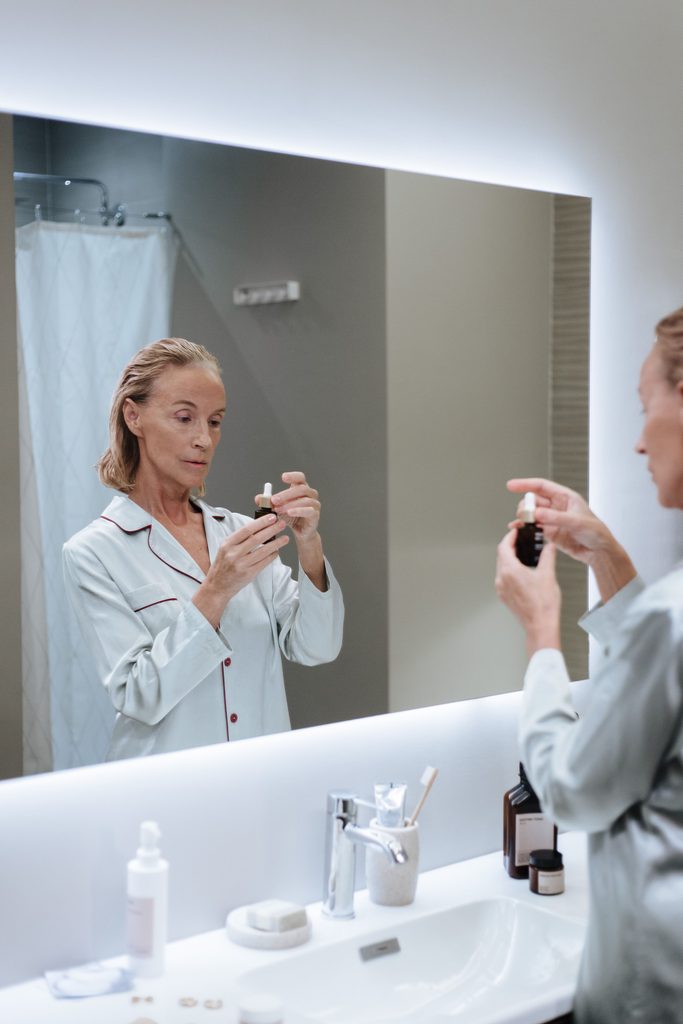
A warm shower can become a simple signal that your active part of the day is ending.
Instead of rushing through it, use the time to slow down. Dim lighting, comfortable clothes and a few quiet minutes afterward can make the whole experience feel more relaxing.
The purpose is not the shower itself, but creating a small moment where you stop focusing on everything that still needs to be done.
3. Make Time for Something You Enjoy
Your evening does not have to be completely focused on productivity.
Reading a few pages of a book, listening to calm music or enjoying a quiet hobby can become a simple part of your self-care routine.
The CDC recommends making time to unwind and suggests activities such as deep breathing, stretching, meditation, journaling and spending time outdoors as healthy ways to cope with stress. CDC

4. Add a Few Minutes of Gentle Stretching
If you spend much of the day sitting, gentle stretching can be an easy addition to your evening.
Try slow movements for your neck, shoulders, back and legs without forcing your body into uncomfortable positions.
You can combine stretching with slow breathing and use those few minutes as a transition between a busy day and a quieter evening.
5. Self-Care Includes Preparing for Better Sleep
Sleep is an important part of physical and mental well-being. Most adults need around seven to nine hours of sleep, although individual needs can vary. Office on Women’s Health
A consistent bedtime and wake-up schedule can help create a more predictable sleep routine. Keeping the bedroom dark, quiet and comfortable may also support better sleep.
Try to give yourself enough time to wind down rather than going directly from work or entertainment to bed.
6. Self-Care Does Not Mean Doing Everything Perfectly
A common mistake is turning self-care into another task that must be completed perfectly.
You do not need a long skincare routine, expensive products or an hour of meditation every evening.
On some nights, self-care may simply mean taking a shower, reading for ten minutes and going to bed on time. On another night, it may mean talking with someone you care about or taking a short walk.
The best routine is one that you can realistically repeat.
A Simple 30-Minute Self-Care Evening
If you want to try this idea tonight, keep it simple:
10 minutes: Put your phone away and finish the most important evening tasks.
10 minutes: Take a shower, stretch gently or sit somewhere quiet.
10 minutes: Read, listen to relaxing music, write in a journal or simply prepare for bed.
You can adjust the timing to suit your schedule. The important part is creating a short period without unnecessary pressure or distractions.
Self-Care When You Have Very Little Time
You do not need 30 minutes every night.
If you only have five minutes, try taking several slow breaths, stretching your shoulders, putting your phone away or sitting quietly with a cup of water or tea.
Small actions can still create a useful pause during a demanding day. The CDC also recommends starting with small steps when developing healthy stress-management habits. CDC
When Self-Care Is Not Enough
Self-care can support everyday well-being, but it should not replace professional help when you are struggling with persistent symptoms.
If stress, anxiety, low mood or sleep problems continue and interfere with everyday life, consider speaking with a qualified healthcare professional. Office on Women’s Health
Final Thoughts on Self-Care
Self-care can be much simpler than many wellness trends make it seem. A few quiet minutes at the end of the day can give you space to slow down, disconnect from daily demands and prepare for rest.
You do not need to change your entire lifestyle. Choose one small evening habit and make it part of your routine. Once it feels natural, you can gradually add another.
Disclaimer: This article is for general educational purposes only and does not replace personalized medical advice, diagnosis or treatment. If you have ongoing health or sleep concerns, speak with a qualified healthcare professional.